Pre lambing and Pre calving mineral care

The selling price of only two calves covers a full year of pre-calver minerals

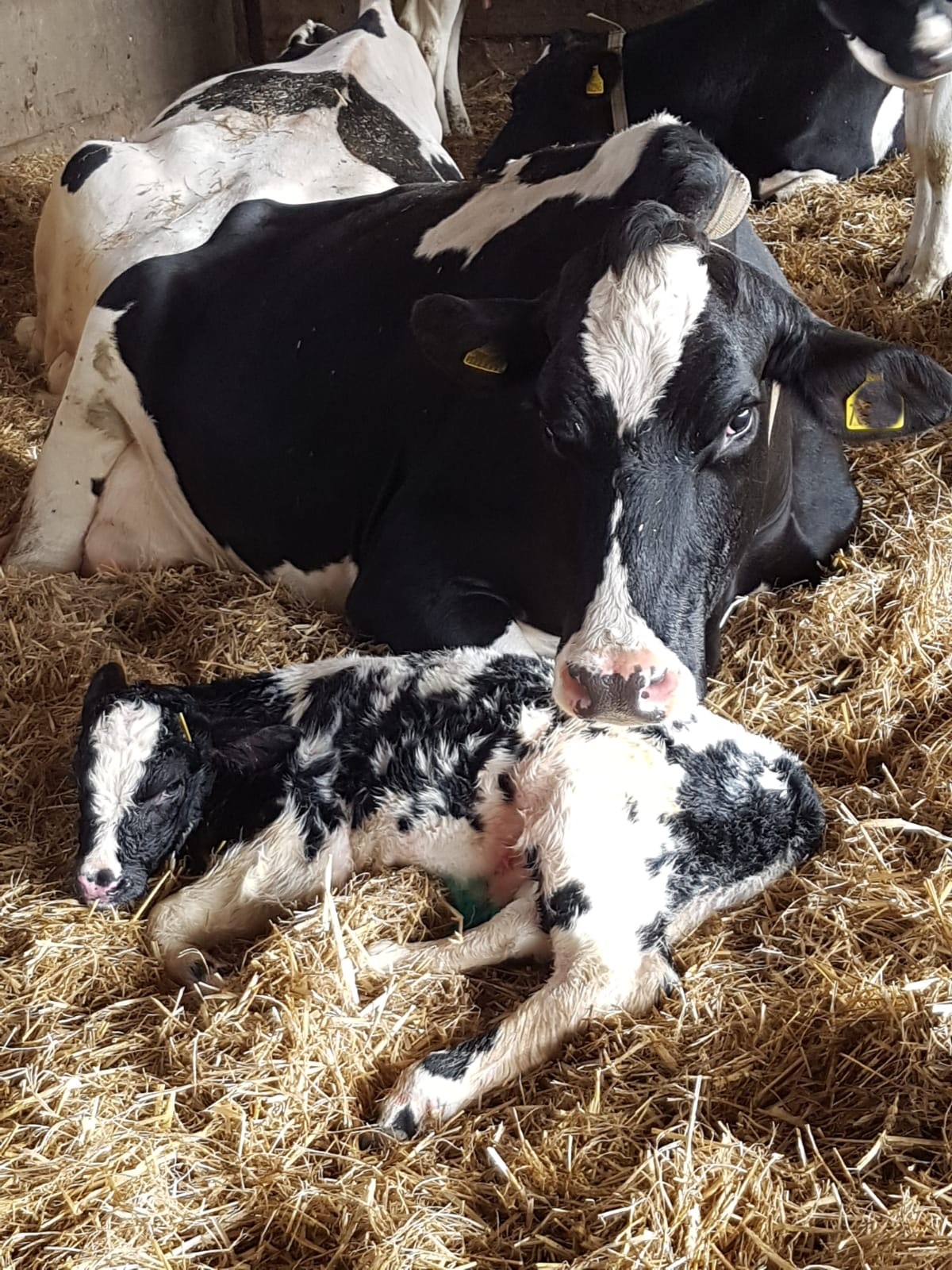
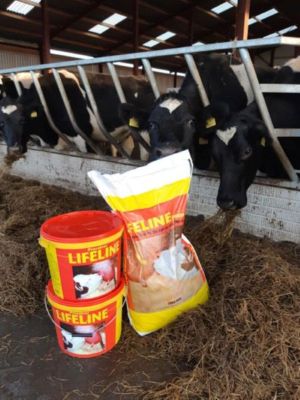
Pre-calver minerals are essential for setting cows and calves up for a healthy, profitable lactation. Feeding a high-quality pre-calver mineral for 6–8 weeks before calving helps prevent milk fever, retained cleanings and other costly metabolic disorders, while improving colostrum quality, calf vigour and immunity.
Read more...

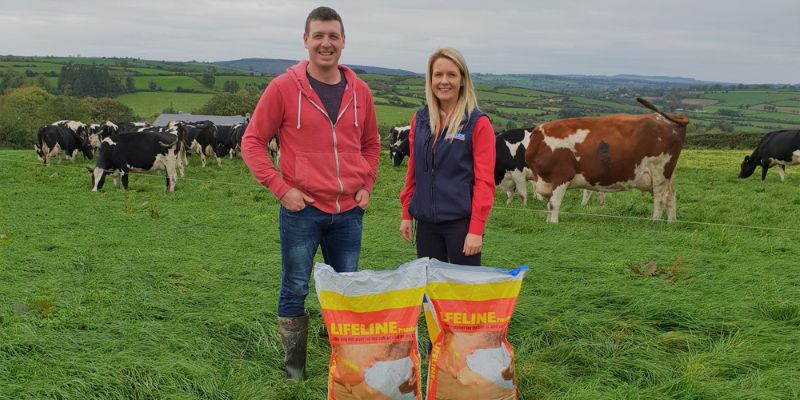
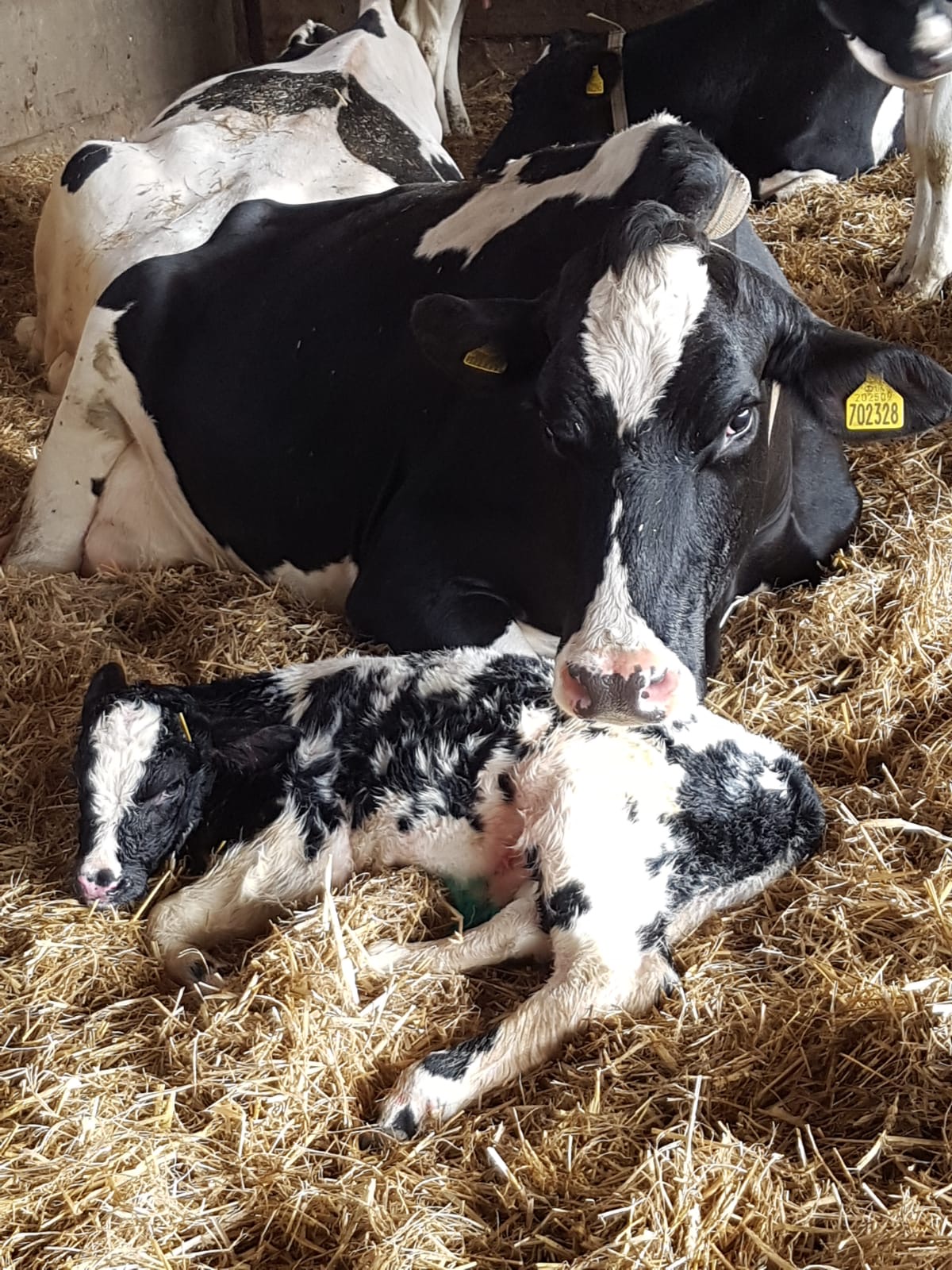
Lifeline Pre-Calver: Boosting calf vitality from birth at an Irish dairy farm

Discover how Lifeline Pre-Calver is helping a County Waterford dairy farm improve calf vitality, boost colostrum quality, and reduce calving complications - while supporting long-term herd health and fertility.
Read more...

Pre-Calving Mineral Boosts Colostrum Quality in Kilkenny Herd

A Kilkenny dairy and beef farm is seeing major improvements in colostrum quality and calf health thanks to a pre-calving mineral supplement. Lifeline Pre-Calver, introduced six weeks before calving, is helping boost immunity and reduce post-calving issues.
Read more...

Lifeline Pre-Calver good for cow and calf health at Irish dairy farm

A County Fermanagh dairy farm is improving colostrum quality and calf health by feeding Lifeline Pre-Calver during the dry period. Father and son team John and William Rutledge have seen better immunity, higher antibody levels, and stronger calves thanks to this targeted nutritional support.
Read more...

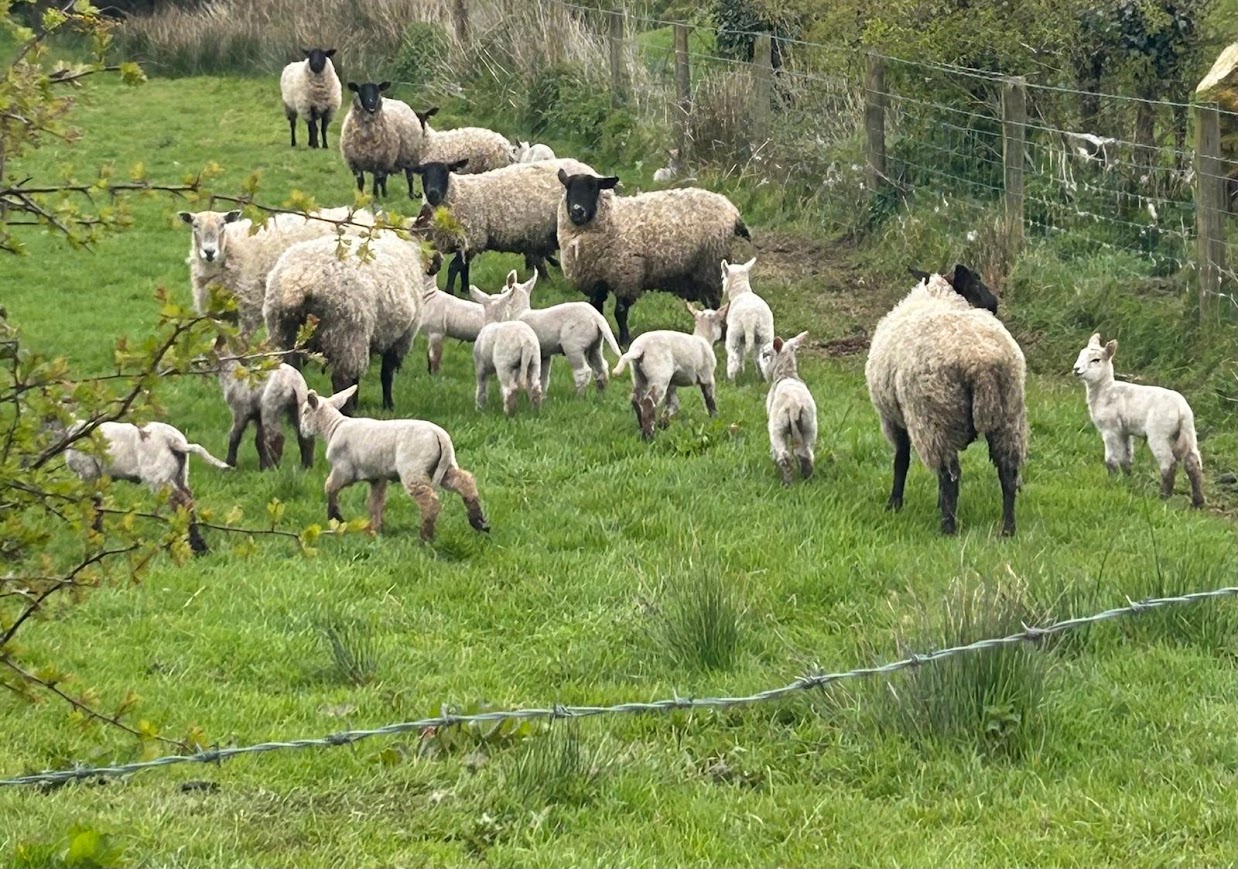
Why colostrum holds key to lamb health and growth

Lambs that drink good volumes of clean, good quality colostrum quickly after they are born have the best chance to absorbing antibodies directly into their blood, giving them temporary immunity until they develop their own. Colostrum, otherwise known as ‘beestings,’ is the first milk a ewe produces once she has lambed. The newborn lamb relies […]
Read more...

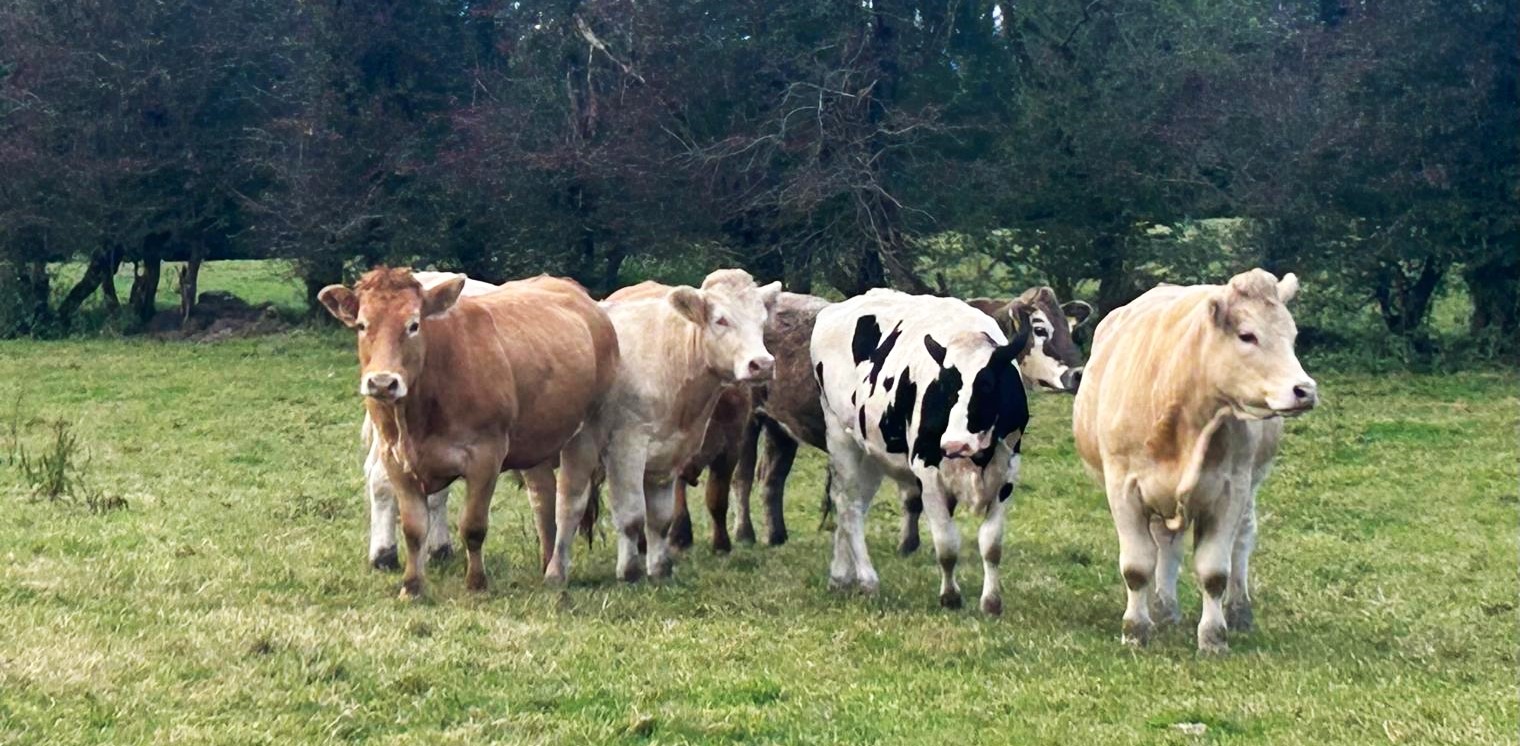
Maximising colostrum potential in beef-suckler herds

A newborn calf is vulnerable to infection in the first few months of life, relying on its mother’s antibody-rich colostrum to protect it from disease. Colostrum, otherwise known as ‘beestings,’ is the first milk a beef-suckler cow produces once she has calved. Colostrogenesis, the process which sees the cow’s mammary cells proliferating and differentiating ahead […]
Read more...

Supplementing the ewe in late pregnancy aids lambing success

Providing the correct nutrition and mineral supplementation to a pregnant ewe in the eight weeks before lambing will influence her colostrum production and metabolic health as well as the birthweight, vigour, and survival of her lamb. It all starts with getting the ewe in the correct body condition score (BCS) at lambing for her breed […]
Read more...

Less Phosphorus is more during the dry period for cow and calf health

Feeding the dry cow is an art, it is complex because feeding influences many factors including colostrum formation, calving, the unborn calf, and metabolic diseases that are common in post-calving cows and during early lactation. Phosphorus is often oversupplied during this period. The current dry cow recommendations for phosphorus range between 0.20 to 0.25%DM depending […]
Read more...

Looking after the cow prior to calving is a must for both the cow and the calf

Providing the cow with the correct mineral supplementation on the approach to calving is vital to achieving good results post calving in terms of cow and calf health. It is critical to tailor the dry cow’s diet to their specific needs for this vital timepoint. Although, the changes in the suckler cow cycle are less […]
Read more...

Suckler Cow Fertility Drives Profitability

Having a clearly defined 12-week calving period, with the objective of targeting a 365-day calving interval and limiting calf mortality to less than 3% from birth to weaning should form the cornerstones in optimising farm output and the overall profitability of your suckler herd. The average gestation length for a suckler cow is 285 days […]
Read more...