Trace Elements

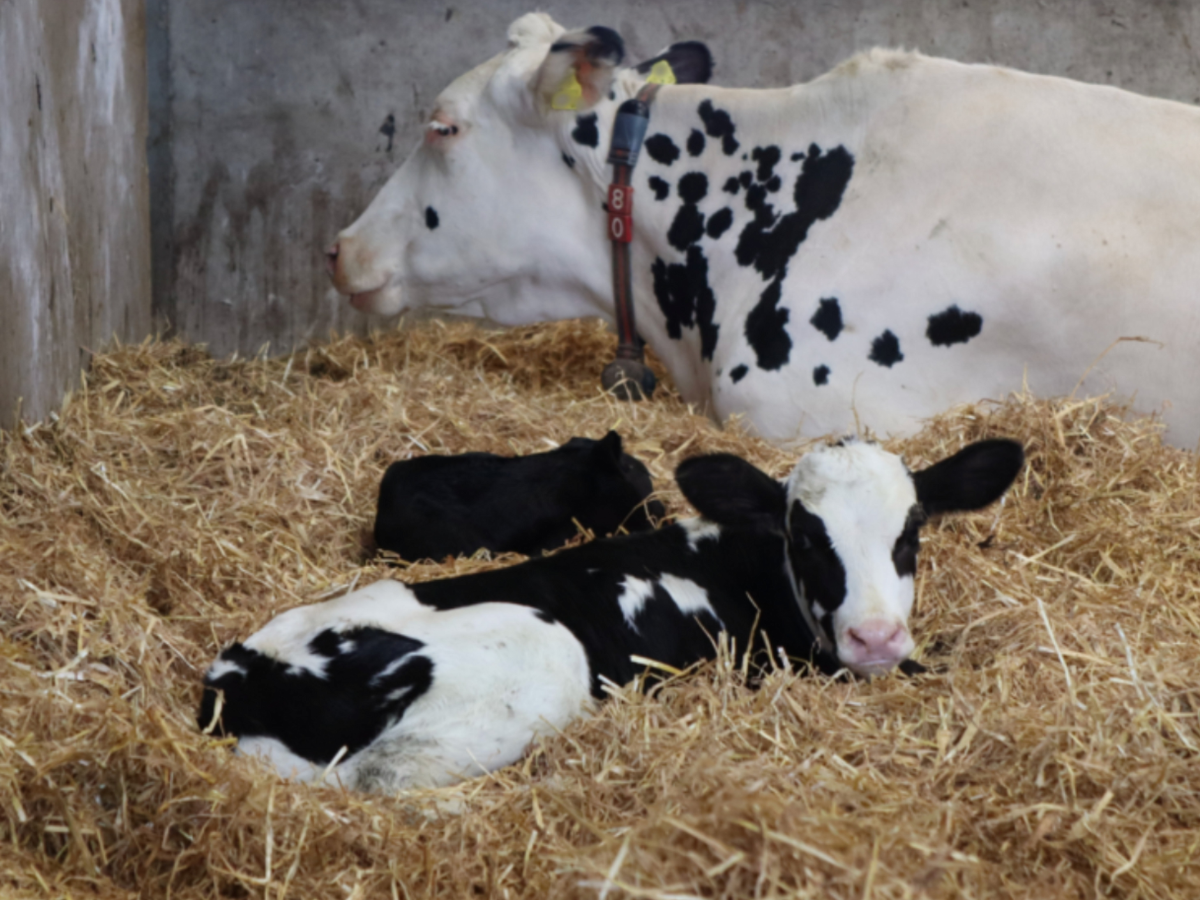
What Dry Cow Ketones Mean for Calf Rumen Development – and How Minerals Help

Dry cow ketones are becoming an important area of interest in transition cow management. While most dry period attention focuses on calving and the next lactation, research now suggests elevated ketone levels before calving may also influence calf rumen development and future performance. One key factor is BHB (β-hydroxybutyrate) – a ketone produced when cows […]
Read more...

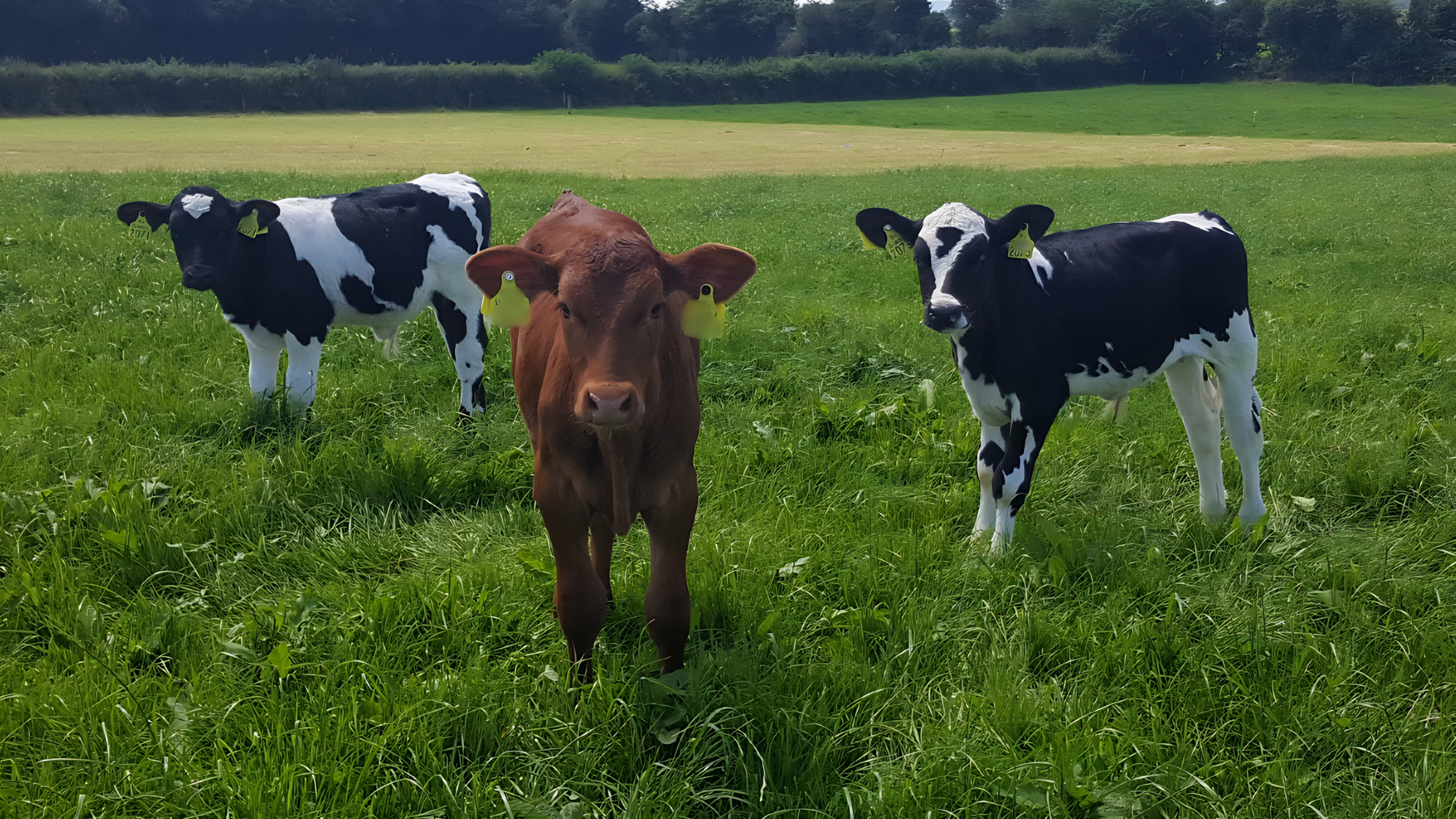
Protecting Calves at Grass: The Role of Vitamin B1 in Preventing Summer Scour

Summer scour in calves is one of the most frustrating challenges farmers face at turnout. As calves transition to grass in late spring and early summer, digestive upsets can quickly impact growth rates and overall performance if not caught early. Recent attention has turned to the role of Vitamin B1 (thiamine) — particularly in protected […]
Read more...

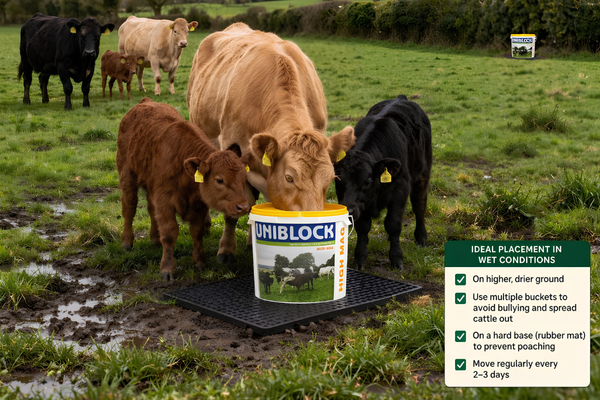
Wet Spring Raises Mineral Risks as Livestock Head to Grass

A wet spring is increasing mineral deficiency risks in grazing livestock. Learn how turnout conditions affect cattle and how mineral buckets can support health and performance.
Read more...

The Hidden Link Between Trace Minerals and Worm Burdens in Sheep

Discover the hidden link between trace minerals and worm burdens in sheep, and how balanced mineral nutrition can improve immunity and parasite resistance.
Read more...

Trace elements: the quiet powerhouse in the fight against worm burdens in cattle

Trace elements are a quiet powerhouse in cattle health. Learn how mineral nutrition strengthens immunity and helps cattle cope with worm burdens.
Read more...

Managing stress in calves and weanlings is key to preventing pneumonia and gut disease. Learn how nutrition and housing reduce weaning setbacks.

Managing stress and nutrition in calves and weanlings is critical to reducing gut inflammation, improving immunity, and lowering the risk of pneumonia.
Read more...

Unravelling the Complexity of Mineral and Vitamin Deficiency in Livestock

Mineral and vitamin deficiency is a complex issue in livestock because clinical symptoms are often not obvious. Trace elements are only required in small volumes in the diet of cattle and sheep. When they are absent, it can result in underlying and hidden sub-clinical problems. As a consequence, stock underperform and are far more vulnerable […]
Read more...

Maximising colostrum potential in beef-suckler herds

A newborn calf is vulnerable to infection in the first few months of life, relying on its mother’s antibody-rich colostrum to protect it from disease. Colostrum, otherwise known as ‘beestings,’ is the first milk a beef-suckler cow produces once she has calved. Colostrogenesis, the process which sees the cow’s mammary cells proliferating and differentiating ahead […]
Read more...

Managing the suckler cow and calf post-calving

Suckler cow management post-calving is just as important as pre-calving care. A fresh calver needs the right nutrition to stay healthy, produce milk, and to resume her cycle to conceive again. Key considerations after calving Body condition score (BCS) in suckler cow management Monitor BCS to ensure the cow doesn’t lose too much condition soon […]
Read more...

Why bioavailability of trace elements is important in ruminants

A new third-generation source of trace elements can offer livestock significant health and production benefits. Trace elements are only needed in very small quantities by food-producing animals but have an important role to play in maintaining antioxidant status, immune response, growth, and reproduction. While the required intakes for supporting ruminant productivity and overall health may […]
Read more...