


Article
What Dry Cow Ketones Mean for Calf Rumen Development – and How Minerals Help
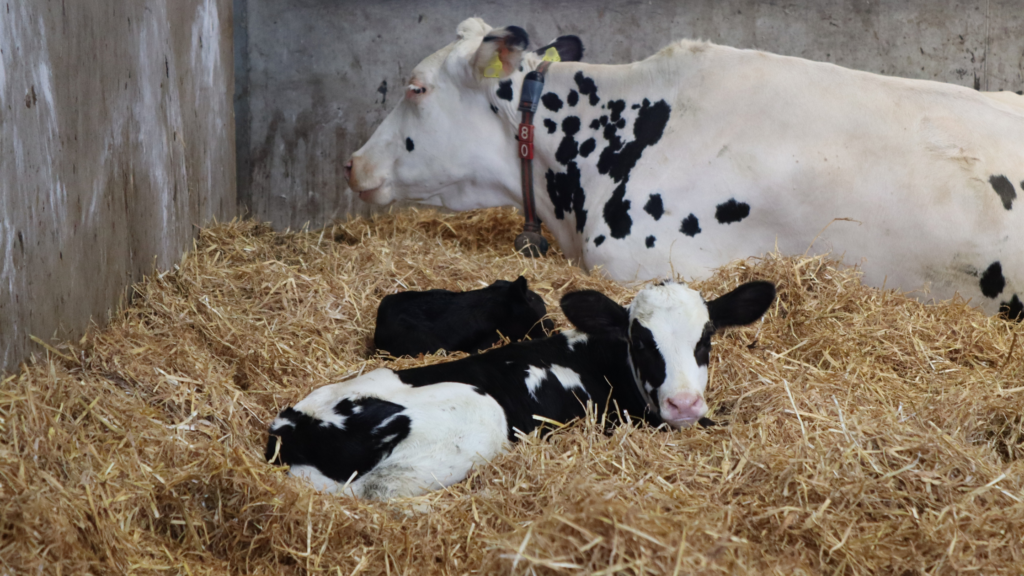
Dry cow ketones are becoming an important area of interest in transition cow management. While most dry period attention focuses on calving and the next lactation, research now suggests elevated ketone levels before calving may also influence calf rumen development and future performance.
One key factor is BHB (β-hydroxybutyrate) – a ketone produced when cows are in negative energy balance. Even when cows show no visible signs of ketosis, moderately elevated BHB levels can still have important effects.
These moderately elevated dry cow ketones can easily go unnoticed on farm, despite their wider metabolic impact.
Research on Dry Cow Ketones and Calf Rumen Development
A recent study (Zheng et al., 2026) compared calves born to cows with lower versus moderately higher BHB levels during the dry period. At birth, calves appeared normal, with no difference in weight. However, when rumen development was examined, clear differences emerged.
Calves from higher-BHB (subclinical ketosis) cows showed:
- • Reduced rumen papillae size (less surface area for nutrient absorption)
- • Weaker rumen barrier function
- • Increased inflammation in rumen tissue
- • Reduced activity of key growth and metabolic regulators
In simple terms, these calves had rumens that were less developed and potentially less efficient from the start.
Why Elevated Dry Cow Ketones Can Affect Future Performance
The rumen is central to how efficiently a calf converts feed into energy as it grows.
If development is compromised early:
- • Calves may adapt more slowly to solid feed
- • Feed efficiency may be reduced
- • Long-term performance could be affected
Importantly, these effects were seen even when cows were not clinically ketotic. This means dry cow ketones are not simply a concern for the cow during transition – they may also shape calf efficiency and development after birth.
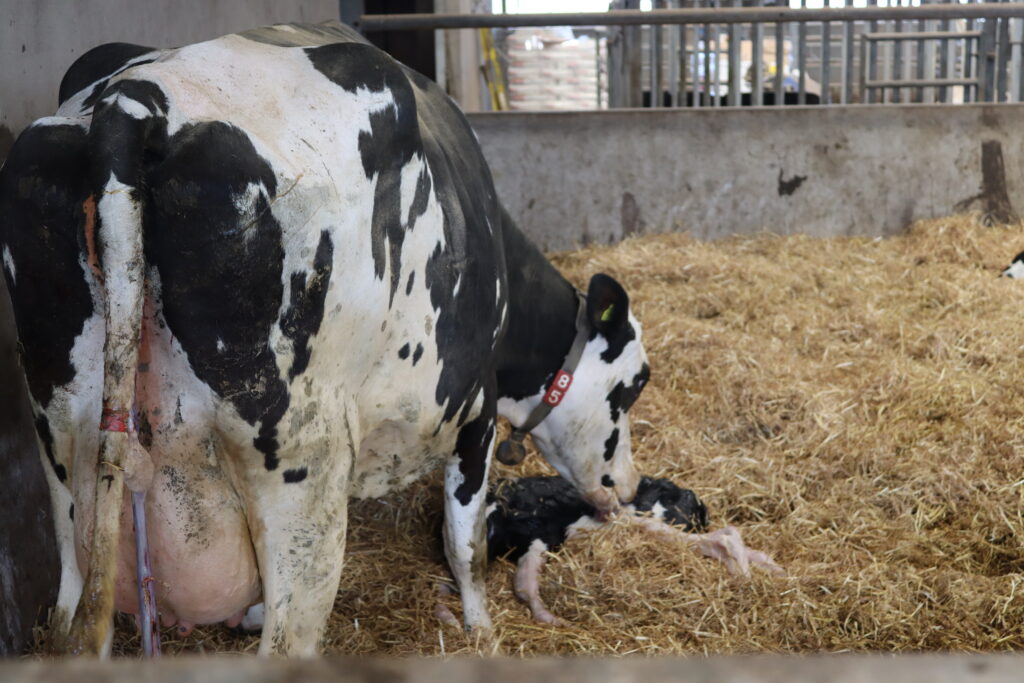
How Mineral Nutrition Helps Control Dry Cow Ketones
Managing BHB is primarily about maintaining good energy balance, with protein and minerals playing important supporting roles. Protein does not directly reduce BHB, but when it is well balanced – particularly in terms of metabolisable protein – it can help support dry matter intake, maintain liver function, and reduce the severity of negative energy balance.
BHB levels are driven mainly by energy status. However, minerals play a key role in helping cows cope with this metabolic challenge. Think of minerals as the cow’s metabolicsupport system – they don’t replace good energy management, but they enable the cow to process nutrients efficiently, support liver function, and better manage the transition period.
Can Cobalt Help Reduce Dry Cow Ketones?
Cobalt is required for rumen microbes to produce vitamin B₁₂, which is essential for converting feed into glucose. More glucose means less need for fat mobilisation and lower ketone production.
Ensure cobalt is correctly included in dry cow minerals – deficiencies are easy to miss but can increase ketosis risk.
Selenium and Liver Support for Dry Cow Ketones
Selenium supports antioxidant systems and helps the liver process mobilised fat more efficiently. A healthy liver is critical for keeping ketone levels in check – a stressed liver produces more ketones. Use balanced selenium supplementation. Organic forms can improve uptake.
Zinc and Metabolic Stability During Elevated Ketones
Zinc plays a role in maintaining gut health, immune function, and overall metabolic stability.
Include adequate zinc – often with a proportion from organic sources for improved availability.
Chromium Support for Transition Cow Ketones
Chromium enhances insulin sensitivity, helping cows use glucose more efficiently and reduce reliance on body fat reserves. Particularly beneficial during the close-up period when metabolic pressure is highest.
Don’t Forget the Basics
Minerals are important—but they work best alongside good management:
- • Avoid over-conditioned cows at drying off
- • Feed controlled-energy dry cow diets
- • Maintain dry matter intake before calving
- • Ensure a smooth transition into lactation
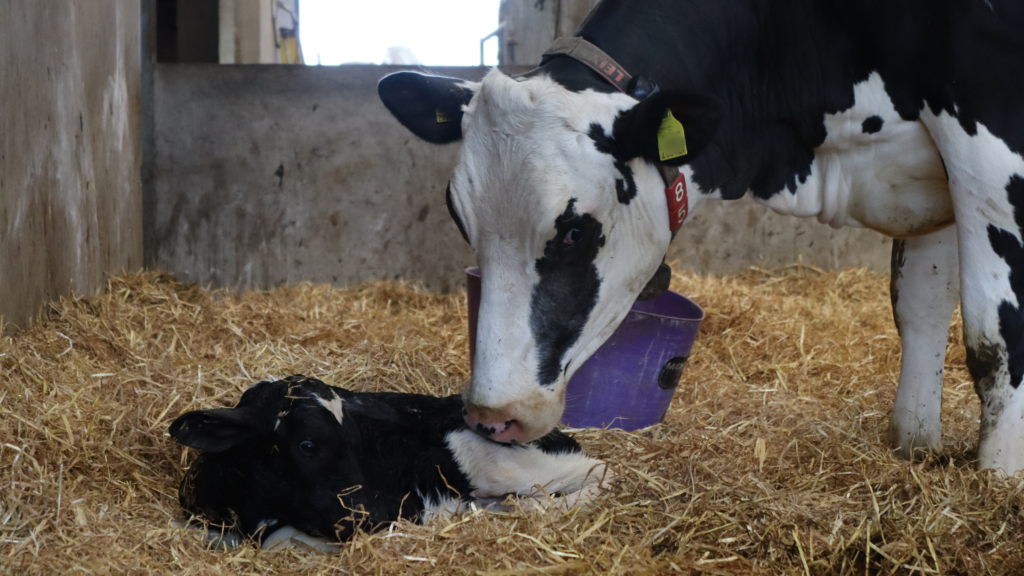
In Conclusion
Managing BHB in dry cows is not just about preventing ketosis – it’s about building a better calf from day one. Even moderate increases in BHB can influence rumen development, with potential long-term effects on performance. While energy management is the foundation, getting the mineral balance right helps the cow cope with metabolic stress – and protects the next generation.
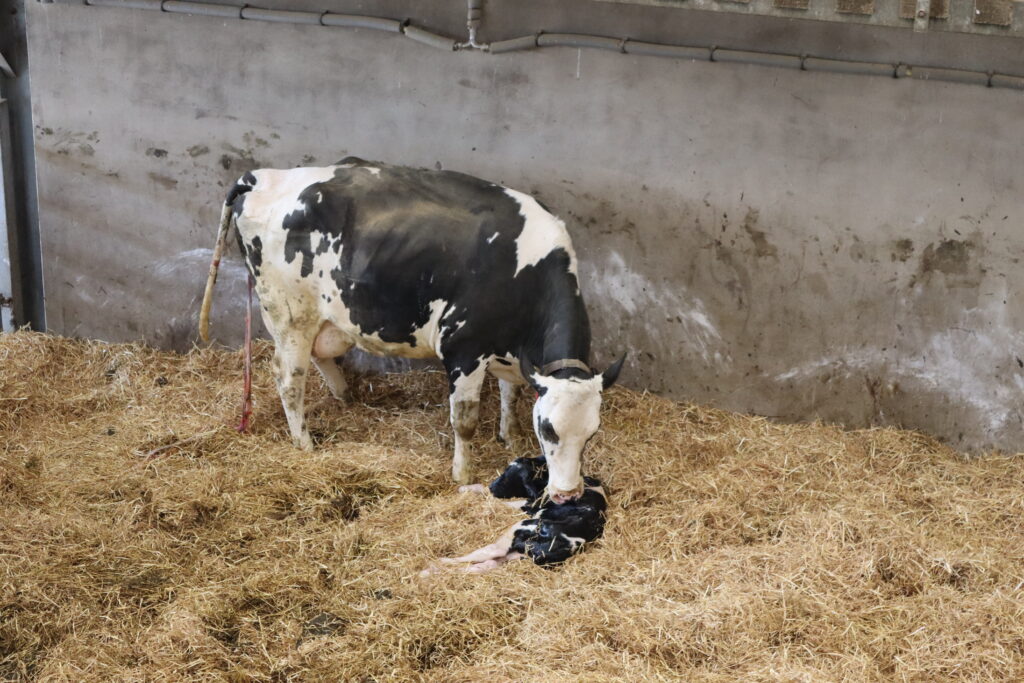
Frequently Asked Questions
What is BHB and why does it matter in dry cows?
BHB (β-hydroxybutyrate) is a ketone produced when a cow is in negative energy balance — burning fat instead of glucose for energy. Even at moderate levels, before any visible signs of ketosis appear, elevated BHB can affect the developing calf.
Can subclinical ketosis affect my calf before it’s even born?
Yes. Research shows that calves born to cows with moderately elevated BHB levels have less developed rumens at birth — with smaller rumen papillae, weaker barrier function, and increased inflammation — even when the cow showed no outward signs of illness.
How does this affect calf performance on farm?
Calves with compromised rumen development may be slower to adapt to solid feed, less feed efficient, and potentially affected in their long-term growth and performance.
Which minerals help reduce the risk of high BHB in dry cows?
Key minerals include cobalt (supports glucose production via vitamin B₁₂), selenium (protects liver function), zinc (supports gut health and metabolic stability), and chromium (improves insulin sensitivity and reduces reliance on fat reserves).
Do minerals replace good energy management in dry cows?
No — energy balance is the foundation. Minerals work alongside good management practices such as avoiding over-conditioned cows at dry-off, feeding controlled-energy diets, and maintaining dry matter intake before calving.
When should I start focusing on mineral supplementation for dry cows?
Mineral support should be in place throughout the dry period, with particular attention during the close-up period (last 3 weeks before calving) when metabolic pressure is at its highest.