


Article
Managing stress in calves and weanlings is key to preventing pneumonia and gut disease.
Managing stress in calves and weanlings is one of the most important steps a farmer can take to prevent disease around weaning. Gut inflammation in weaned calves (bucket reared and suckled) does not directly cause pneumonia, but it is a major predisposing factor. Both diseases are often linked to the common underlying issue of stress and compromised immunity, which are heightened during the weaning period.”
The Link Between Gut Inflammation and Pneumonia
Calves that have previously suffered from scour are more likely to develop pneumonia later in life because the disease process and inadequate nutrition or dehydration can lower their overall resistance to infection.
Key factors connecting gut health issues to respiratory disease include:
· Weakened Immune System: The stress of weaning, combined with the immune impact of a previous or concurrent gut infection (such as from Cryptosporidium or viruses like BVD), can make calves more susceptible to respiratory pathogens.
· Systemic Inflammation: Research suggests that gut inflammation and dysbiosis during the weaning transition can lead to systemic inflammation. This compromises intestinal barrier function and weakens the immune response throughout the body, including the respiratory system.
· Lack of Gut Fill: One of the early, non-specific signs of pneumonia can be reduced feed intake and a lack of gut-fill, showing how quickly a respiratory issue can impact the digestive system, and vice versa.
· Stressors: Many everyday events can impact on the calf’s immune system and gut health. These include transport, mixing with new animals, livestock marts, housing changes, diet changes, handling, and stormy weather.
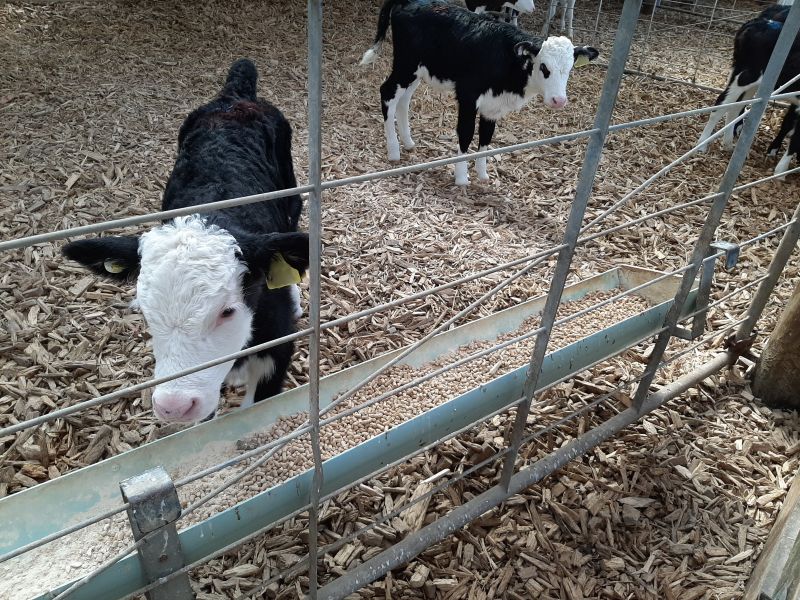
Prevention: How to Manage Stress in Calves and Weanlings
Managing stress in calves and weanlings requires a holistic approach focused on reducing stressors and maximising immunity.
· Minimise Weaning Stress: Implement gradual weaning procedures and avoid combining weaning with other stressful events like dehorning, castration, mixing, housing, changing diet or transport. Be mindful of poor weather events and while it might suit you to do some jobs, it may be a bad time for your stock and their subsequent health.
· Ensure Optimal Nutrition: Provide adequate, quality nutrition to support a strong immune system and healthy growth. Feeding additional trace elements and plant extracts during stressful periods can help to improve animal performance. https://uniblock.ie/product/settlease/
· Provide Good Housing: Ensure clean, well-ventilated housing without draughts and adequate space to minimize the buildup and spread of pathogens.