


Article
Maximising colostrum potential in beef-suckler herds
A newborn calf is vulnerable to infection in the first few months of life, relying on its mother’s antibody-rich colostrum to protect it from disease.
Colostrum, otherwise known as ‘beestings,’ is the first milk a beef-suckler cow produces once she has calved.
Colostrogenesis, the process which sees the cow’s mammary cells proliferating and differentiating ahead of lactation, starts about five weeks before calving so it is more important than ever to provide her with everything she needs in that crucial period.
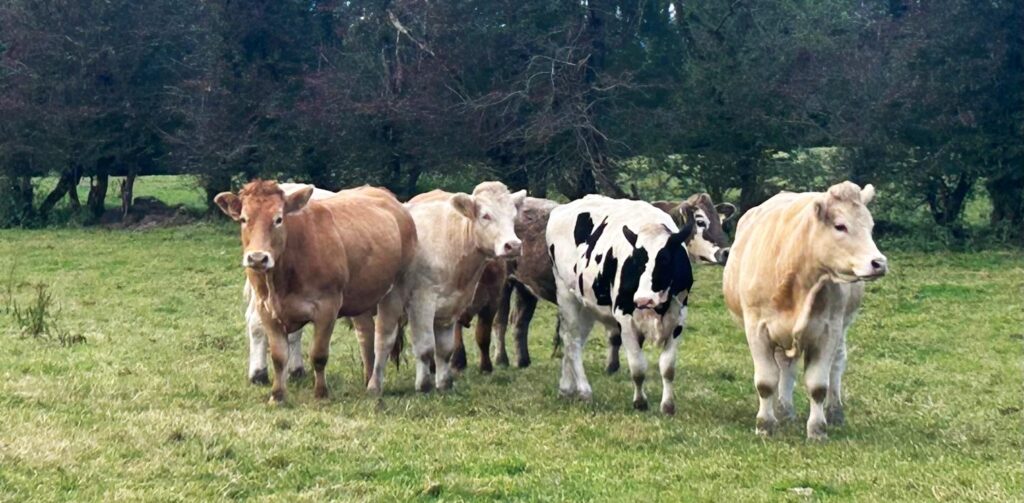
So what are the important points every beef-suckler farmer needs to consider around colostrum production and management this spring?
Testing for quality
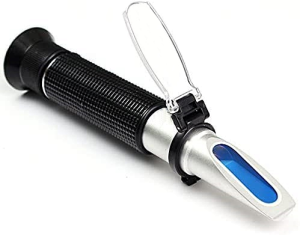
For reassurance that the calf is receiving colostrum at a quality that is adequate for its needs, use a handheld Brix refractometer. This relatively cheap tool only requires a couple of drops of colostrum to test for quality.
The image shows a refractometer
For farmers who are experiencing health issues in their calves, this approach is also a good way of cross-checking whether changes that can influence colostrum quality need to be introduced, around dry cow management for example.
Target values
Colostrum should contain over 50g/litre immunoglobulin G (IgG) or, if measuring with a refractometer, 22% Brix.
Colostral antibodies
IgG is the main antibody associated with providing immune protection to the calf.
Compared to dairy breeds, colostrum produced by beef-suckler cows tends to have a superior quality. According to McGee and Earley (2019), the average IgG concentration in colostrum produced by a beef cow is 99mg/ml, ranging from 31 to 200mg/ml, while for a dairy cow it is 66mg/ml, ranging from 27 to 117mg/ml.
Maternal antibodies found in the dam’s colostrum are specific to the common diseases found on the farm and environment where her calf is born.
For additional protection, there are several pathogen-specific vaccines on the market, some specifically for protecting the neonatal calf against organisms that commonly cause scours, such as E. coli, rotavirus, coronavirus and salmonella.
Yield
Colostrum volume at the first milking can often be a limiting factor, especially so for beef-suckler cows.
Irish research by McGee et al., (2005) reported colostrum yields for multiparous Charolais beef cattle ranging from 740 – 5,490ml compared to 1,660 – 7230ml for dairy-beef crosses managed in the same way.
The average colostrum yield reported in beef-suckler cows is 2.7 litres while the corresponding value for a dairy cow is 6.7 litres, perhaps to be expected since dairy cows are specifically selected for milk production.
Older animals generally produce more milk than heifers.
Nutrition during the dry period can also influence colostrum yield – for example the type of protein offered, such as by-pass protein.
Ensure prompt suckling after birth
It is common practice in a beef-suckler herd for the calf to remain with its mother to suckle naturally after it is born. It is therefore important to monitor how long it takes for the calf to stand and drink that important first feed.
In beef herds with easy calvings, most calves will suckle within four hours (Le Neindre and Vallet, 1992; Homerosky et al., 2017), but delays can occur and that can have a detrimental effect on transfer of passive immunity (TPI) and calf health overall.
Factors affecting TPI to the suckler calf
- • A lengthy gap between the calf being born and suckling
- • Colostrum yield and quality
- • Dam parity
- • Dam temperament
- • Calf vitality
- • Dystocia
- • Teat or udder placement that makes it difficult for the calf to suckle
- • Standard of hygiene
Top tips
- • Keep cows well-bedded before calving and their teats, udder and legs clean
- • Feed a colostrum-boosting pre-calving mineral, such as Lifeline pre-calver, at least eight weeks before due calving date
- • Ensure that the environment the baby calf will be delivered into is clean to prevent contamination before suckling
- • Monitor how long it takes for the calf to stand; assist where necessary to ensure colostrum is consumed within those golden first hours
- • Feeding the calf its own mother’s colostrum will improve immune status, an outcome perhaps linked to foetal programming before birth (Van Hese et al., 2023)
- • Test colostrum using a Brix refractometer
- • Blood samples taken by a vet can be used to test TPI status, especially recommended if there is a history of poor calf health and thrive