


Article
Grass Tetany- The Most Common Cause of Mortality in Suckler Cows
Grass tetany, also known as the staggers, is a metabolic disease characterised by magnesium deficiency, which can affect ruminant livestock such as beef cattle, dairy cattle, and sheep. It can be fatal, and is the most common cause of mortality in suckler cows.
Causes of Grass Tetany
Grass tetany is a highly fatal disease associated with low blood magnesium (Mg) levels. Grass tetany can affect all classes of cattle. Cattle store magnesium in their bones and muscles, but cannot readily access and utilise these stores when needed.
The animal constantly loses magnesium in urine, faeces and milk, so when grazing lush green magnesium-deficient grass, cattle need magnesium supplements to meet daily requirements. A cow in peak lactation (six to eight weeks following calving) needs a constant source of magnesium to replace the large amount lost from the body in milk.
Some potential causes of grass tetany are:
- • Cattle grazing autumn season grass, which may have a low concentration of magnesium.
- • Grasses grown on leached acid sandy soils have lower levels of magnesium.
- • Magnesium levels are low when potash and nitrogen fertilisers are used and growth is lush.
- • High moisture content in grass causes rapid gut transit and low uptake.
- • Reduced absorption of magnesium resulting from high rumen potassium, nitrogen and low rumen sodium.
- • Low energy intake, fasting or sudden changes in feed.
- • Transport or weather stress.
- • Low intake of phosphorus and salt.
Veterinary Diagnosis
Plasma magnesium less than 0.8mmol/l indicates subclinical hypomagnesaemia and an increased risk of developing acute hypomagnesaemia.
Symptoms
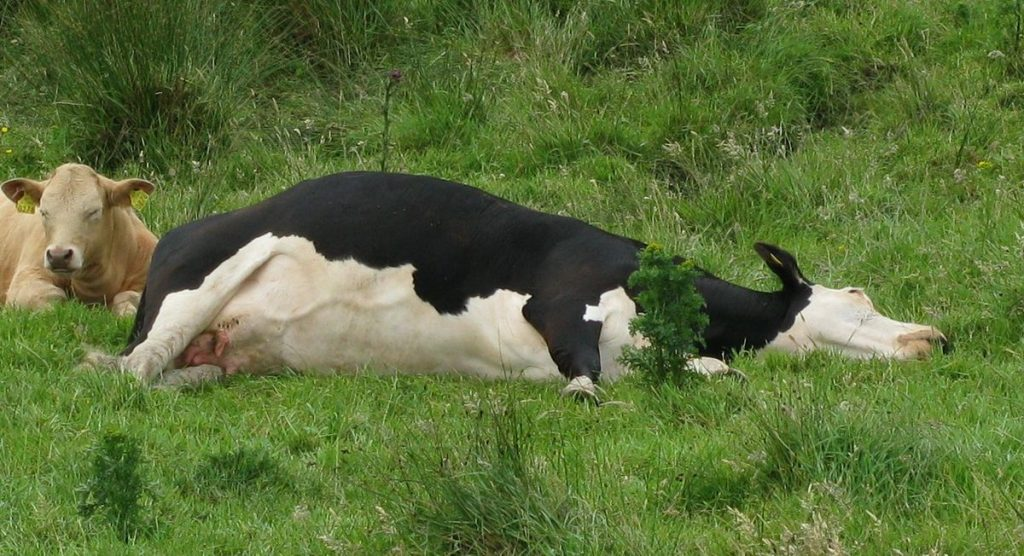
- • Starey eyed
- • Muscular spasms
- • Uncoordinated
- • Convulsions
- • Respiratory distress
- • Grazing away from the herd
- • Depression of dry matter intakes,
- • Reduction in milk yields
- • Loss of body condition,
- • Increased susceptibility to diseases e.g. milk fever
Prevention is key
- • Magnesium must be given daily to animals at risk, as the body has no readily available stores.
- • Begin supplementation before cattle are turned out on tetany prone pasture, and continue until the threat is minimal.
- • Supplement with as many sources as possible. Mineral buckets should be placed in the field even if animals have been bolused or are been offered magnesium in the drinking water or feed.
- • Buckets should be placed near where animals shelter during cold or wet weather.
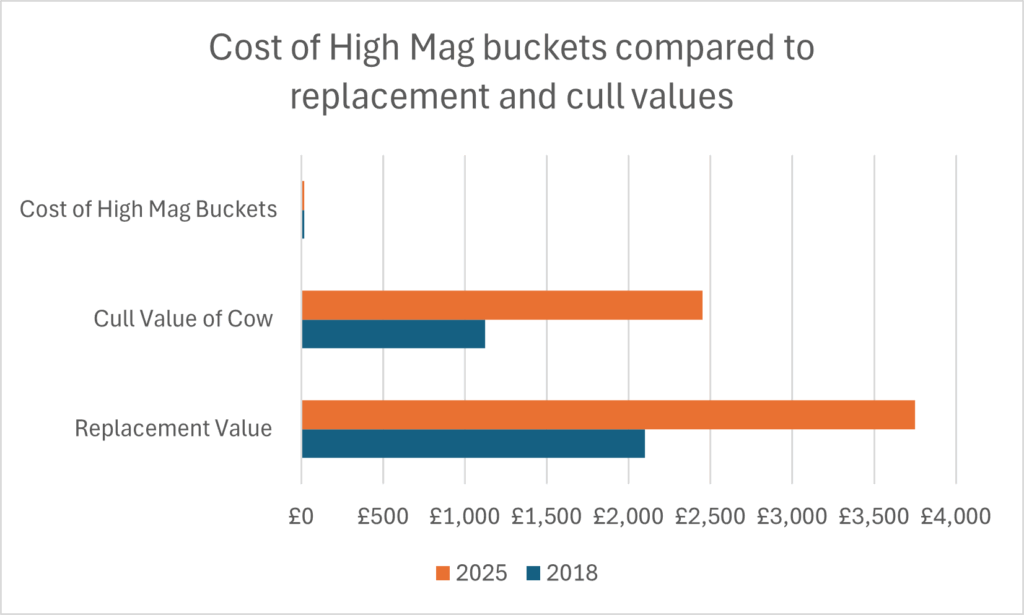
In the current climate where livestock prices are higher than ever and the cost of minerals remains static, preventing grass tetany is simple and affordable.
Replacement Value of Cattle compared to cost of mineral buckets
Value of pre-calver minerals compared to livestock value
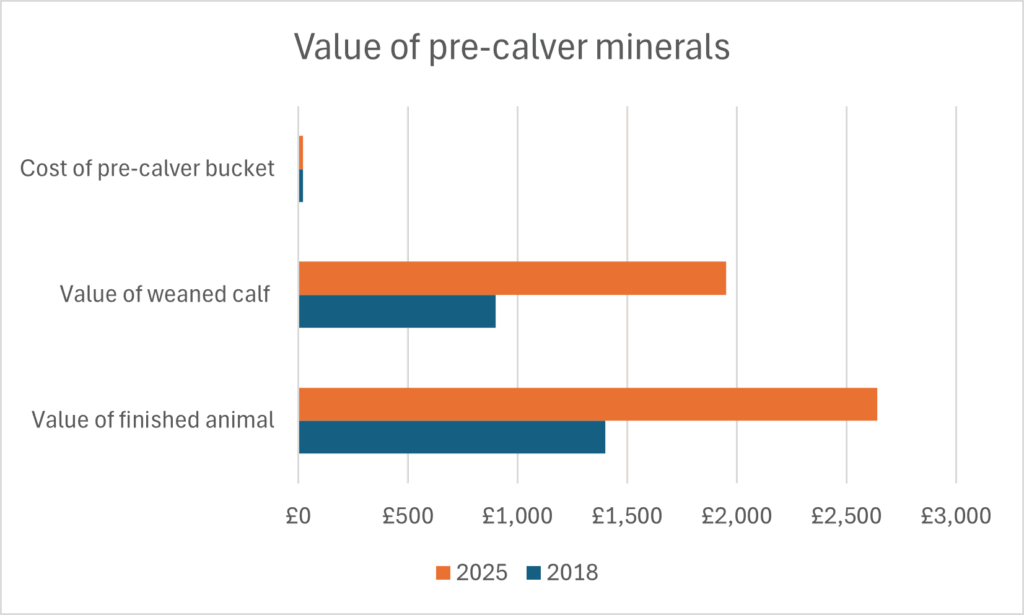
Pre-calver and high mag buckets are an essential and affordable investment for your herd, and key to preventing grass tetany.