


Article
Trace elements: the quiet powerhouse in the fight against worm burdens in cattle
The link between trace elements and worm burdens in cattle is one of the most overlooked areas of herd health management, and parasite control has become one of the toughest challenges facing livestock farmers today. With widespread anthelmintic resistance now well recognised across the UK and Ireland, producers are increasingly seeking sustainable alternatives to keep worm burdens in check. One area gaining renewed interest is the role of trace elements—the essential minerals that support the immune system and overall animal health.
While minerals like copper, zinc, cobalt and selenium may be required only in small amounts, their impact on parasite resistance can be substantial.
Why trace elements matter more than you think
Animals with suboptimal trace mineral status are more vulnerable to parasitic infections. A compromised immune system makes it far easier for internal and external parasites to gain a foothold. In cattle, trace elements support the activity of immune cells and help drive the pathogen-killing mechanisms needed to reduce worm loads.
Research has repeatedly shown that cattle with adequate levels of copper, zinc and cobalt tend to have lower gastrointestinal (GI) parasite burdens. For example:
- • Copper acts as a cofactor for enzymes such as superoxide dismutase (SOD), which produces reactive oxygen species used by neutrophils and macrophages to kill worms.
- • Zinc deficiencies are linked with reduced immunity, while zinc supplementation has shown benefits in reducing issues like infectious pododermatitis in cattle.
- • Cobalt deficiencies have been associated with poorer resistance to parasitic infections and higher faecal egg counts (FEC).
Even lesser-discussed elements, such as molybdenum, appear capable of influencing the animal’s inflammatory response and potentially helping the body reject parasites under certain conditions.
Links between mineral status and GI parasite levels
A growing body of work shows a clear correlation between low levels of copper, zinc and cobalt and higher levels of GI parasites including Trichostrongylus species. Animals grazing natural pastures with naturally higher mineral content often demonstrate lower parasitic burdens, reinforcing the connection between nutrition and immunity.
Other factors influencing how trace elements affect parasite control include:
- • Excess iron from soil ingestion or brassica crops
- • Nutritional stress
- • Stocking density
- • Long periods of continuous or contaminated grazing
- • Weather, travel stress and gestational demands
It’s also worth noting that nutritional requirements for optimal immune function often exceed those needed for growth or reproduction alone.
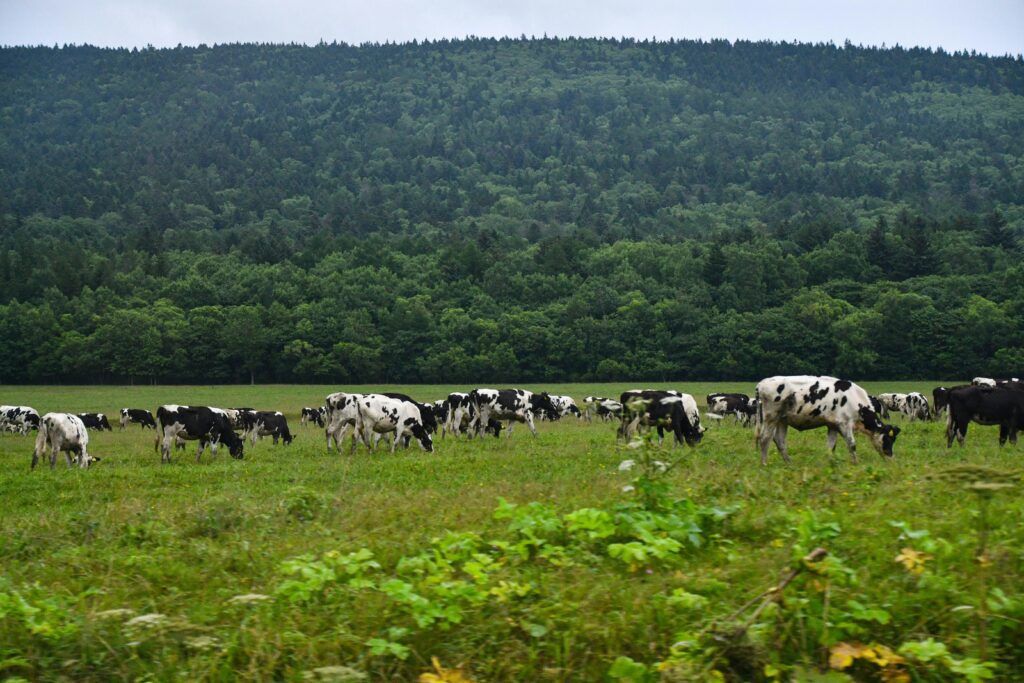
Management practices to keep worm burdens down
Effective parasite control is never about one single action—it’s about a combined approach. Alongside optimised mineral nutrition, practical management remains the backbone of worm prevention.
1. Keep animals in good body condition
Thin or nutritionally stressed cattle are far more susceptible to parasites. Winter feeding challenges, drought or poor-quality forage can all weaken the immune response.
Feed testing and correcting nutritional gaps—especially trace mineral deficiencies—can dramatically improve resilience.
2. Avoid overcrowding
High stocking densities increase both internal and external parasite transmission. Crowded groups graze closer to faecal pats where larvae are concentrated, worsening worm exposure.
3. Improve pasture management
- • Move stock before grazing becomes too tight.
- • Use rotational grazing and allow rest periods to reduce larval numbers.
- • Graze younger stock ahead of adults to reduce exposure to infective larvae.
- • Incorporate cross-species grazing (e.g., sheep followed by cattle) to interrupt worm life cycles.
4. Consider genetics
Around 20% of animals carry about 80% of the worm burden. Culling persistently high shedders can improve long-term herd resilience.
5. Try a leader-follower system
Let calves graze fresh paddocks first so they’re not forced to graze too close to the soil surface. Cows follow behind, reducing parasite exposure for younger stock.
The strategic use of wormers
While nutrition and management play huge roles, wormers still have their place—provided they’re used strategically.
Timing matters:
Calves need early-season exposure to worms to build immunity. First doses should typically be given after 3–4 weeks grazing and timed when around 25–50% of the group shows early signs of burden.
Rotate product classes:
Avoid relying on the same active repeatedly. Rotate between:
- • Clear products (ivermectins)
- • Select the right application method for your system—oral, pour-on or injectable.
Building a more resilient cattle system
Trace elements may not receive the same attention as anthelmintics, but their contribution to parasite resistance is substantial. By ensuring cattle receive adequate copper, zinc, cobalt and other essential minerals—alongside good grazing and stocking management—farmers can significantly reduce worm burdens without leaning so heavily on chemical treatments.
In a farming climate where sustainability, productivity and animal health must work hand-in-hand, trace element nutrition offers one of the most accessible ways to strengthen the herd’s natural defences and limit the march of anthelmintic resistance.
References
NADIS (2009, reviewed 2016) Trace Element Deficiency in Cattle. National Animal Disease Information Service. Available at: https://www.nadis.org.uk (Accessed: 2 March 2026).
Miranda, M. & López‑Alonso, M. (2025) ‘Trace Minerals Imbalance in Cattle’, Encyclopedia of Livestock Medicine for Large Animal and Poultry Production. Springer Nature. Available at: https://link.springer.com (Accessed: 2 March 2026).
Bedford, A. (2025) ‘The impact of low trace minerals in cattle may be bigger than you expect’, Bovine Veterinarian, 8 October. Available at: https://www.bovinevetonline.com (Accessed: 2 March 2026).
Gordon, P. (2022) ‘Nutrition in cattle – essential trace elements’, Vet Times, 25 August. Available at: https://www.vettimes.co.uk (Accessed: 2 March 2026).
Wang, B. et al. (2024) ‘The role of five key minerals (Cu, Se, Zn, Co, Fe) in reproductive function of female cattle: current insights and future directions’, Veterinary Sciences, 13(2). Available at: https://www.mdpi.com (Accessed: 2 March 2026).