


Article
Protecting Calves at Grass: The Role of Vitamin B1 in Preventing Summer Scour
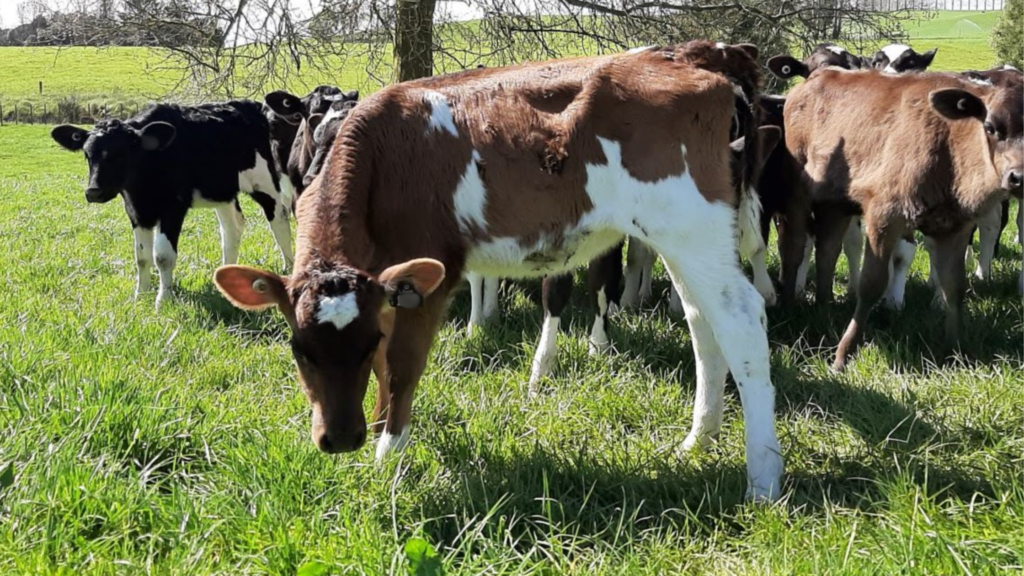
Summer scour in calves is one of the most frustrating challenges farmers face at turnout. As calves transition to grass in late spring and early summer, digestive upsets can quickly impact growth rates and overall performance if not caught early.
Recent attention has turned to the role of Vitamin B1 (thiamine) — particularly in protected form — as a practical tool for supporting rumen health and reducing the risk of scour at grass.
What Causes Summer Scour in Calves?
Summer scour in calves is typically linked to a combination of factors:
- • Sudden dietary changes (milk → grass or concentrates → grass)
- • Lush, fast-growing grass that is low in fibre
- • High moisture content in the diet
- • Immature rumen development in young calves
These conditions can disrupt normal rumen function, leading to loose dung, reduced feed efficiency, and slower weight gain.
Vitamin B1 plays a key role in:
- • Energy metabolism
- • Rumen function
- • Nervous system health
In young calves, rumen development is still ongoing, meaning natural production of B vitamins is not yet fully established.
At the same time, rapidly fermenting diets can increase the activity of enzymes (thiaminases) that break down Vitamin B1, reducing availability just when it is needed most.
Why Protected B1 Makes a Difference
Standard Vitamin B1 can be degraded in the rumen before it is absorbed, whereas protected B1 is designed to:
- • Bypass rumen breakdown
- • Deliver thiamine to where it can be effectively absorbed
- • Provide a more consistent and reliable supply
This is particularly important during periods of:
- • Dietary transition
- • Rapid grass growth
- • Digestive stress
Benefits for Calves at Grass
Including protected Vitamin B1 in the diet can help:
- • Support stable rumen function
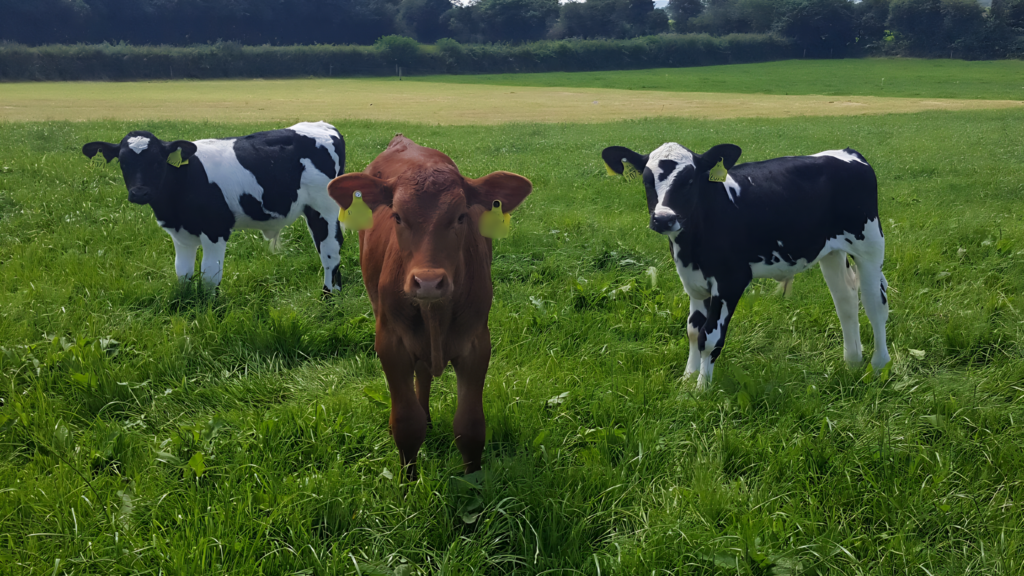
- • Help reduce summer scour in calves at grass
- • Maintain feed intake and growth rates
- • Improve overall digestive resilience
Farmers often report calves staying cleaner, brighter, and more consistent through challenging periods.
A Practical Solution at Grass
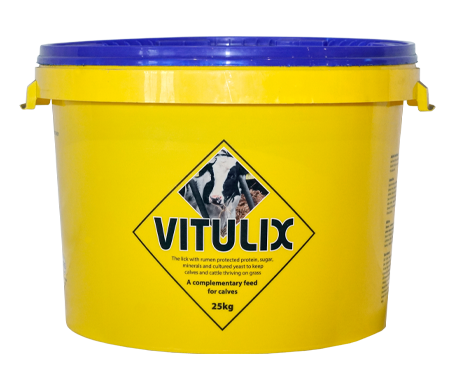
At turnout, ensuring consistent intake can be difficult, particularly in grazing systems. Feed blocks such as Vitulix are designed specifically for young dairy and beef calves at grass, providing a complete supplementary feed in an easy-to-use format.
With a high dry matter content (97%) and based on dehydrated molasses, they are formulated to:
- • Deliver protected minerals and vitamins, including B1
- • Support calves under variable grazing conditions
- • Provide a reliable source of nutrition regardless of weather
Their ad-lib nature makes them particularly suited to:
- • Early turnout periods
- • Variable grass supply
- • Situations where additional feeding is impractical
Supplementation is particularly worthwhile during the first weeks after turnout, when calves are adapting to grass, and when pasture is lush and rapidly growing. It is also beneficial in situations where calves are showing signs of loose dung or inconsistent thrive, as well as on farms with a known history of summer scour issues.
Practical Tips
- • Introduce supplementation early, not after problems arise
- • Ensure adequate access for all calves
- • Monitor intake regularly
- • Combine with good grazing management
Keeping Summer Scour Calves at Bay This Grazing Season
Summer scour is often seen as an unavoidable part of calf rearing, but with the right nutritional support, its impact can be reduced. Protected Vitamin B1 offers a targeted approach to supporting rumen stability and calf performance during high-risk periods. Combined with practical solutions at grass, it can help keep calves thriving through the grazing season—whatever the weather.