


Article
Suckler Cow Fertility Drives Profitability
Having a clearly defined 12-week calving period, with the objective of targeting a 365-day calving interval and limiting calf mortality to less than 3% from birth to weaning should form the cornerstones in optimising farm output and the overall profitability of your suckler herd.
The average gestation length for a suckler cow is 285 days and therefore a cow only has approximately 80 days post-calving for her uterus to recover and to become pregnant again if she is to maintain a 365-day calving period. Reports suggest that the average calving interval within the UK suckler herd is currently 440 days, meaning that the average cow is unproductive for an additional 75 days than she needs to be and is therefore a cost to the herd.
Post-calving nutritional management
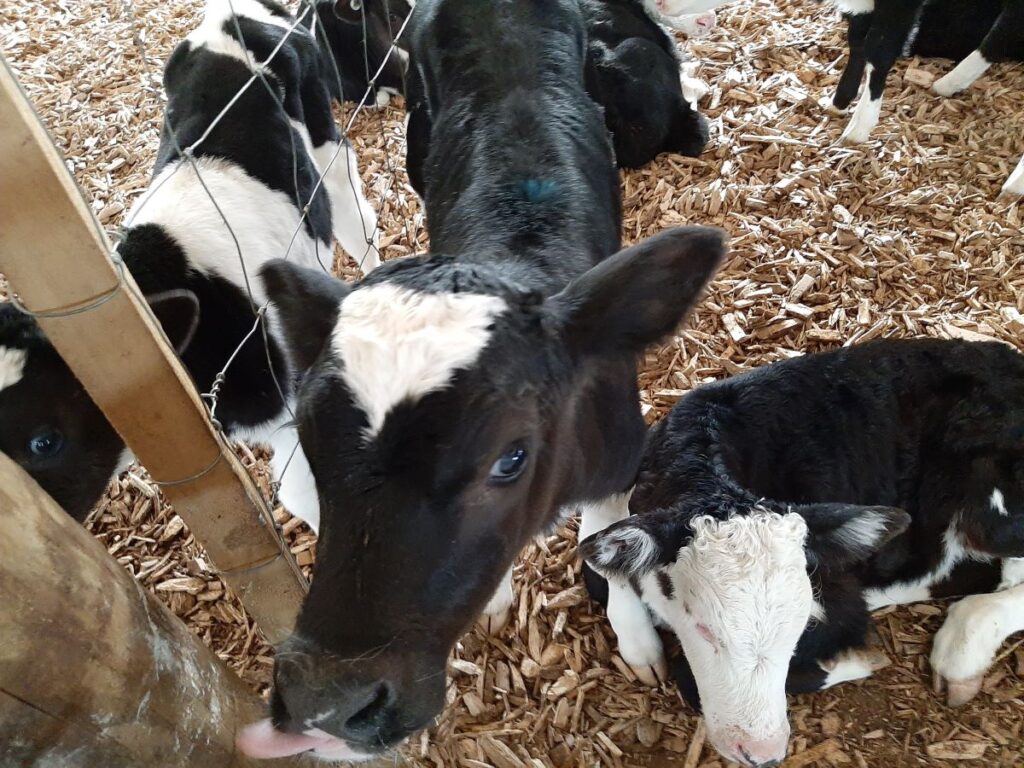
Good nutritional management during the post-calving period is important to ensure good overall health and fertility. After calving, a cow’s primary objective is to produce adequate milk to feed her calf, second is to maintain herself, with reproduction coming last on her list of priorities
Post-calving cows should be on a rising plane of nutrition, with dietary energy being one of the main limiting factors for reproduction in suckler cows. Furthermore, excessive loss of body condition during this period can seriously affect egg viability and embryo survival.
The importance of trace elements
Another major influence on herd fertility is trace element status with copper, selenium and iodine being essential for optimal suckler cow fertility and health. Data from a recent UK study revealed 54.6% of beef cows to be copper deficient which appears to be associated with extensively grazed animals that are rarely offered supplementary minerals. Copper deficiency in cattle may be “primary”, due to a low level of copper in the diet, or more commonly “secondary”. A secondary copper deficiency occurs when a decreased level of copper is available to the animal due to the action of antagonists, such as iron, molybdenum and sulphur which are commonly found in grass and forage crops and in general on the increase.