

Article
Irish Grass Mineral Analysis – June Report
June was mainly cool and dry, with average temperatures of 13°C. Large volumes of rainfall in the earlier spring months may have negatively impacted soil health, which can compromise grass quality in terms of its nutrients.
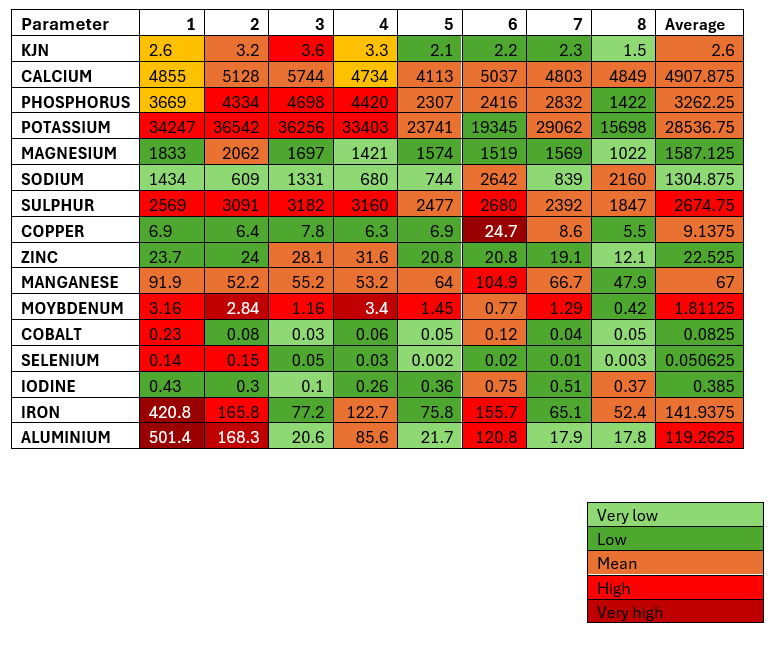
Our results reflected this; grass was very low/deficient in the following important nutrients:
- Sodium
- Magnesium
- Zinc
- Copper
- Cobalt
- Selenium
- Iodine
Sodium Deficiency
We often hear about the condition PICA, where cows are observed eating stones, soil, briars, licking urine and many other objects.
This indicates that a cow is trying to correct a deficiency.
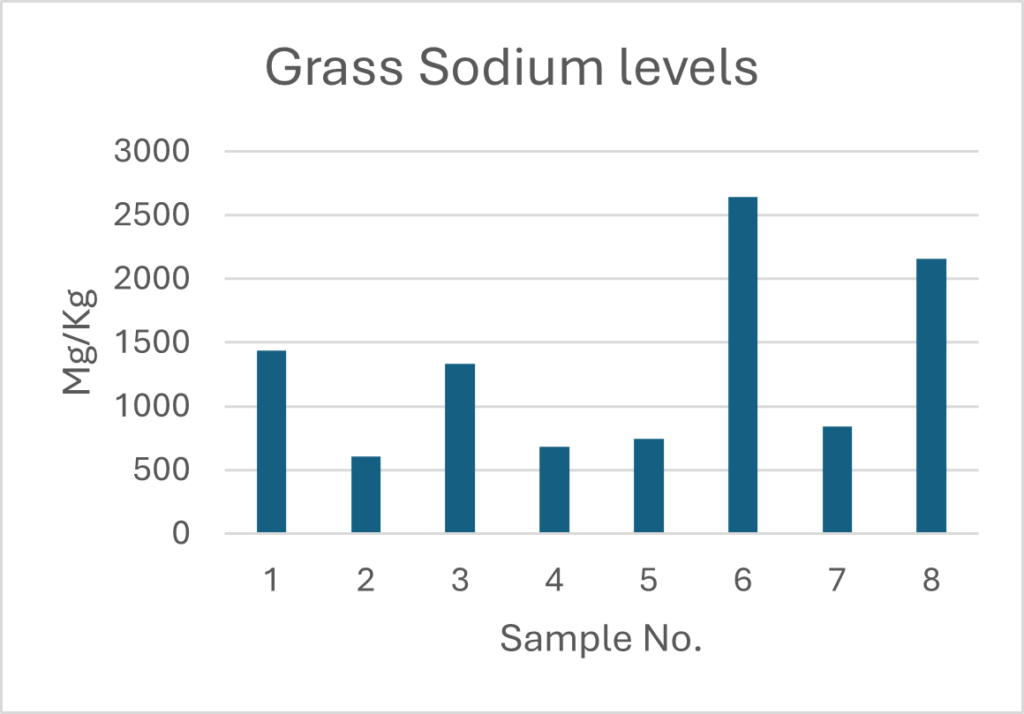
Low sodium is certainly a factor for this behaviour in cows, we found 75% of our grass samples to be in the ‘very low’ (<1500mg/kg) range.
High potassium levels were observed in 50% of grass analysed, this increases the risk of PICA as it locks up sodium.
Recommendations:
- Supplement cattle with Uniblock’s PICA-LYX to help prevent and treat PICA once cattle are already licking stones, briars etc.
- PICA-LYX is high in sodium and phosphorus to counteract deficiencies associated with PICA.
- Uniblock’s parlour block is another good option for dairy cows at grass.
- Parlour block is very palatable due to the inclusion of molasses and includes high levels of sodium and magnesium.
- Parlour block will help reduce subclinical grass tetany and milk fever on potassium(K)-rich forage and soils.
- It will encourage dry matter intakes and is ideal for dairy cows that do not require meal feeding in the parlour. It is a great way of keeping them satisfied when getting milked.
In situations where salt doesn’t make a difference to pica, the deficiency could be due to low levels of phosphorus in the grass. Grass and blood samples can help detect this.
Magnesium Deficiency
With a combination of low magnesium and sodium alongside high potassium levels in most of the samples, this is a good recipe for grass tetany or “staggers” in both cattle and sheep.
Recommendations:
- 24/7 access to high magnesium lick as they cannot build up stores in their body
- Place lick close to water source
- Ensure mag lick fed to sheep does not include copper
- High Nitrogen can also encourage grass tetany
Immune function
Zinc, selenium, cobalt and copper are largely associated with immune function, most samples showed low levels of these vital nutrients.
Signs of zinc deficiency include reduced feed intake and growth rate, excessive salivation, poor skin/hoof health and reduced fertility in cows and bulls.
A selenium deficiency can lead to white muscle disease, reproductive failure, increased incidence of retained placenta in dairy cows, increased calf mortality and reduced calf weaning weights, and immune suppression
Cobalt’s primary role in ruminants is a building block for vitamin B12. Signs of cobalt deficiency include reduced appetite and growth, pale skin and mucous membranes and reduced disease resistance.
Copper deficiency can result in impaired fertility and reduced growth rates. Often copper deficiency can be observed in adult cattle and quite often is a result of antagonists:
- Sulphur
- Molybdenum
- Iron
These antagonists can lock up the copper, making it unavailable to the animal. On average, our samples showed ‘high’ levels of sulphur and molybdenum and 75% of samples were in the ‘low’ category for copper.
These results would indicate high risk for copper deficiency.
Recommendations:
- Beef cattle: Supplement with Uniblock’s Beef Booster.
- Post-calvers: Supplement with Herdminder/ mixrite fertility
- Weaned calves: Supplement with Vitulix – contains protected sources of zinc, cobalt, copper and selenium alongside other necessary minerals/trace elements to support growth and immunity.
- Growing cattle: Mixrite’s Copper-5-a-Day bucket contains 45% protected copper as five different sources.
- Ewes and lambs: Mega sheep/sheep mineral
Grass growth is well below average (https://www.agrisearch.org/grasscheck). A warmer spell is certainly needed to get grass growing. Therefore, supplementation should certainly be considered to ensure targets are met.
It is becoming more important than ever that we analyse our grass as it makes up a huge portion of our cattle and sheep diets. It is an excellent all round feed source including water soluble carbohydrates, proteins, fibre, oils, minerals and vitamins.
However, as we can see grass is very changeable in terms of mineral status on a month-to-month basis, regardless of whether it looks to be growing well or not. In addition, animals too are changeable in terms of their nutritional requirements throughout the year depending on what stage of growth they are at from birth to adulthood or stage of pregnancy or lactation. Therefore, it is vital to monitor and supplement where necessary to fulfil demand to achieve optimum results.
It is well known that mineral deficiencies can result in poor performance and lead to clinical diseases. However, more common than not sub-clinical deficiencies can cause less obvious signs of clinical deficiency to develop such as rough hair coats, retained placenta, reduced fertility, ill thrift or hoof issues etc. All of these things can result in poorer performance and profitability within your herd/flock.
Take home message: Analyse your grass/soil and supplement accordingly!
Grass Mineral analysis