


Article
Looking after the cow prior to calving is a must for both the cow and the calf
Providing the cow with the correct mineral supplementation on the approach to calving is vital to achieving good results post calving in terms of cow and calf health.
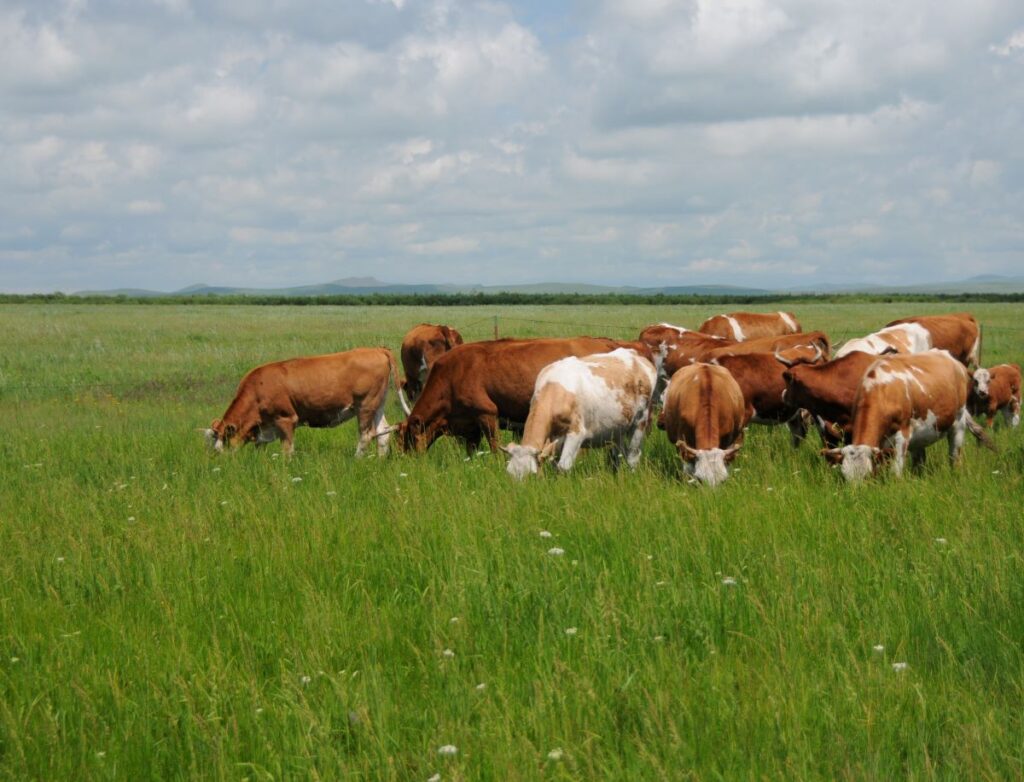
It is critical to tailor the dry cow’s diet to their specific needs for this vital timepoint.
Although, the changes in the suckler cow cycle are less distinct when compared to the dairy cow, attention to the cow at this time is equally as important if weak calves and calf mortality, through difficult calvings, are to be avoided.
A few things to consider when feeding the close-up dry cow:
Avoid high potassium levels
Feeding high levels of potassium during the dry period can have a detrimental effect on the cow’s metabolic health. This can lead to common problems such as calcium imbalances that can cause milk fever especially in dairy cows.
If silage is harvested later in the year, it is important to recognise that potassium (potash) uptake is extremely greater in autumn grass compared to that of early summer. In addition to this, autumn silage is usually lower in fibre and dry matter content.
Ideally, set aside some higher fibre grasses which haven’t been exposed to much slurry or fertiliser that can be harvested for silage especially for the dry cows. It is best practice to avoid feeding silage that has been harvested later in the year to dry cows to try and minimise the risk of high potash levels.
Daily magnesium intake required
Studies by both the University of Edinburgh and SAC Consulting have shown that around one third of pre-calving suckler cows are short of magnesium as indicated by blood sampling.
This can affect ease of calving since magnesium is involved in the activation of homeostatic mechanisms that release calcium from body stores for muscle contraction.
A lack of magnesium can also lead to more cases of milk fever, at calving the animal should be able to mobilise the calcium body reserves required.
It is recommended that cows consume a daily amount of 20-30g magnesium per day. For example, If feeding a 10% magnesium supplement, a feeding rate of 200g/head/day is required. However, if potassium levels in grass/forage are high (2-3%), then 30-40g of magnesium should be the target intake from the total diet.
Body condition score
Ideally cows should be calving down at a condition score somewhere between 2.5 – 3. Sometimes when cows are grazing, they can overgraze and become overfat. This can be problematic when it comes to calving and results in dystocia. This is stressful for both the cow and the calf. Therefore, monitor the condition of your cows well ahead of calving and replace some of their grazing with straw or other bulky forage to keep the rumen expanded and working.
Grass/Forage Evaluation
Keeping up to date and conducting regular mineral analysis on your grass/forage is a great way to monitor rather than guessing what your cow is consuming and how much to supplement to meet requirements.
Providing cows with the correct supplementation in the last six to eight weeks prior to calving is important as colostrum starts to be formed around five to six weeks pre-calving.
Overall, by providing the correct high fibre, low calcium, high magnesium and low potash forage, a good mineral and trace element balance and keeping on top of body condition score problems will be reduced, and healthier, more fertile, post calving cows will be the result.