Grass tetany

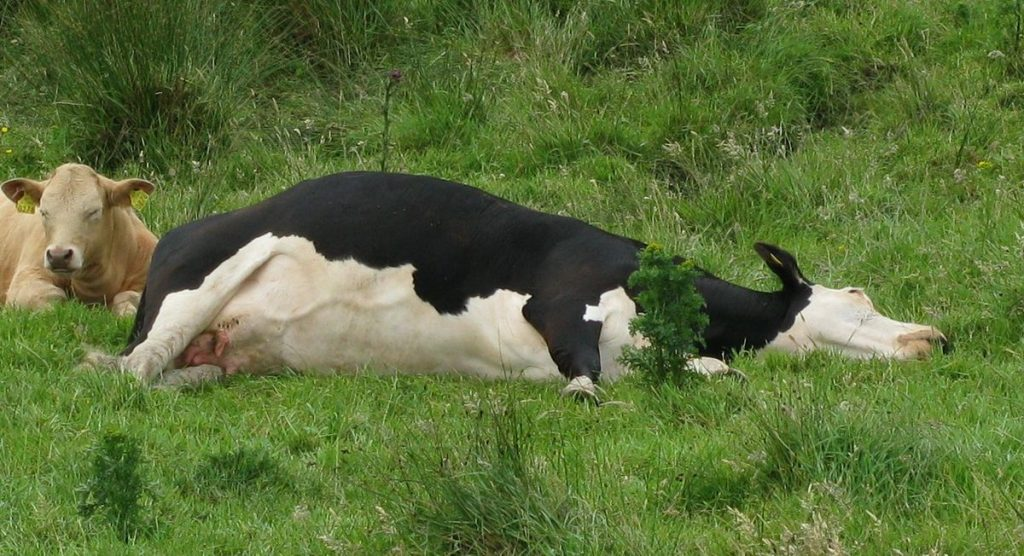
Grass tetany- the most common cause of mortality in suckler cows

Grass tetany, also known as the staggers, is a metabolic disease characterised by magnesium deficiency, which can affect ruminant livestock such as beef cattle, dairy cattle, and sheep.
Read more...

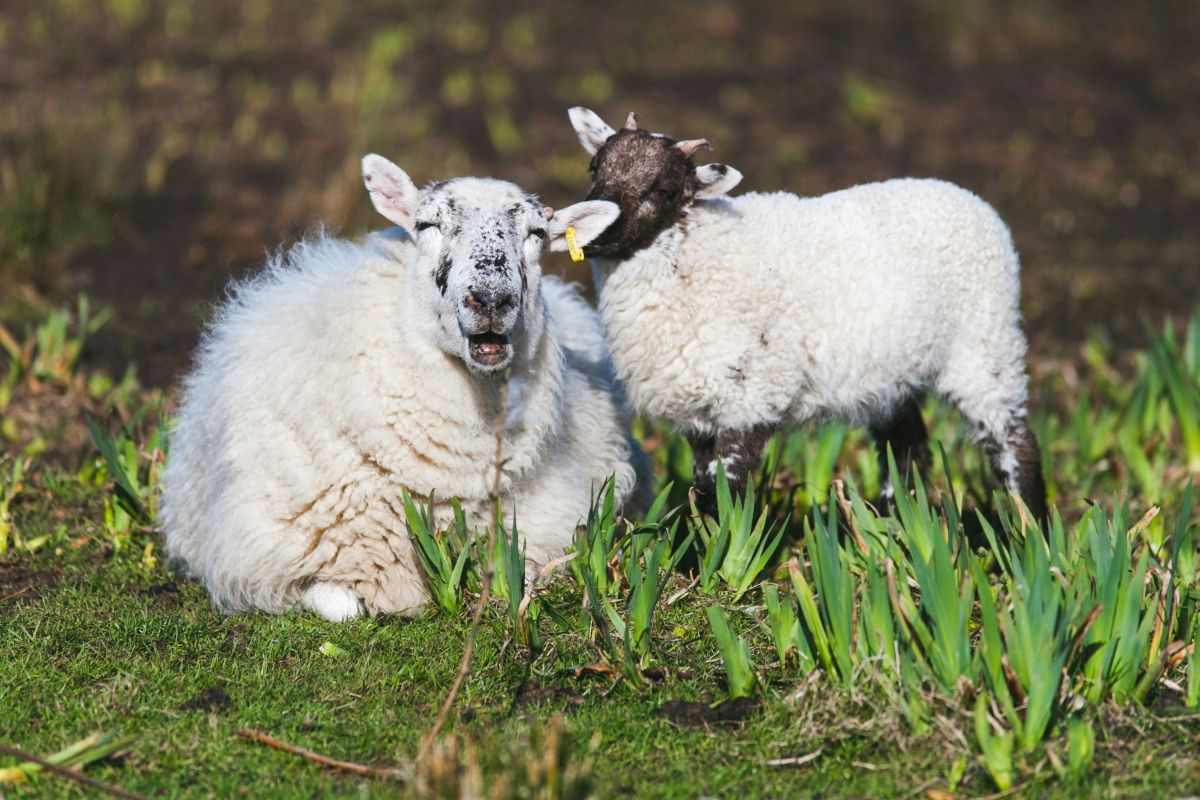
Managing sheep post-lambing to prevent health disorders

Managing sheep post-lambing is essential to protect ewe health and performance during this critical period. Good nutrition supports milk production and prevents health disorders. At this time of transition, the nutrient demands of the ewe are high. This is because she needs to produce a good supply of milk to feed her newborn lambs. Ewes […]
Read more...

Return on investment of protecting against ‘staggers’ is higher than ever

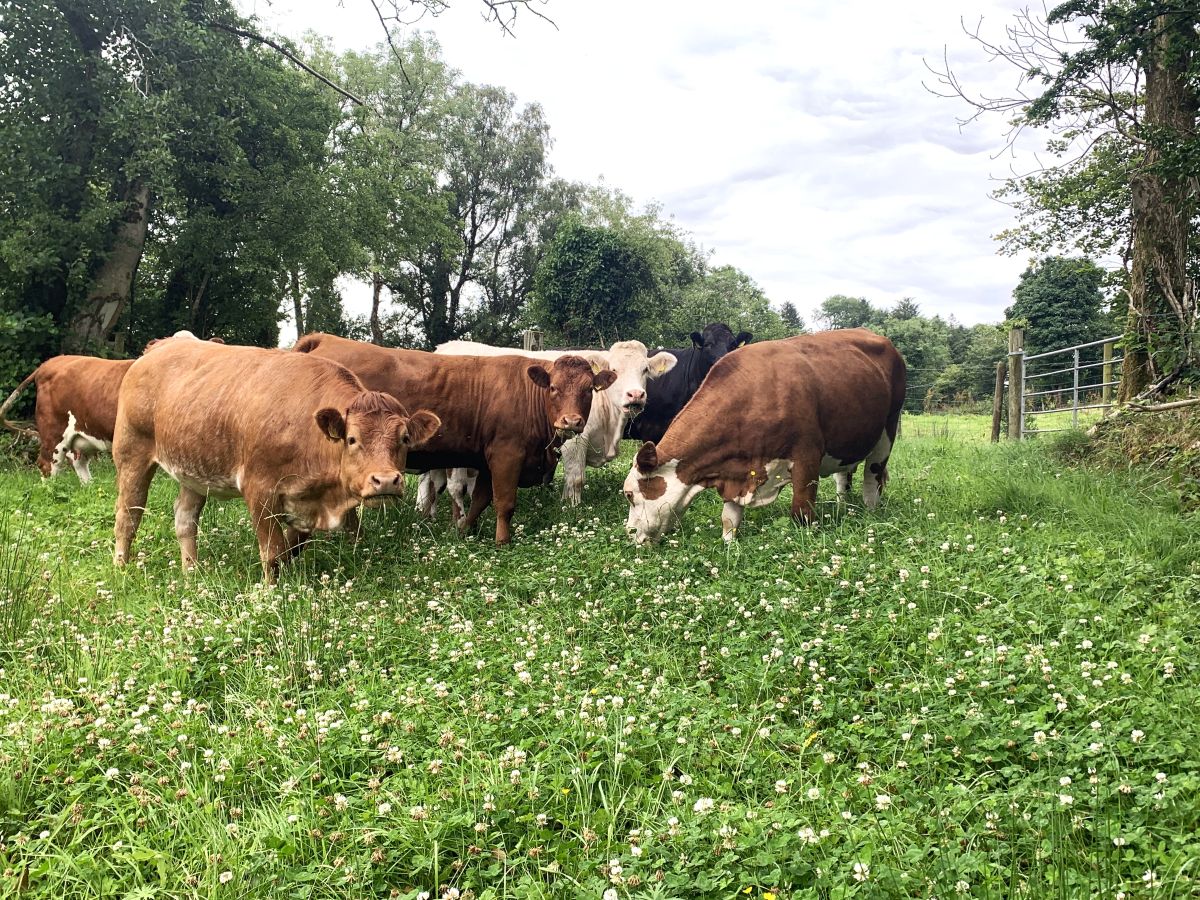
Losing just a single animal to grass tetany is equivalent in value to the cost of investing in magnesium supplementation to protect the entire herd from this condition for several years. Grass tetany, otherwise known as grass staggers, is a major cause of morbidity and mortality in cattle and sheep. It becomes acute when magnesium […]
Read more...

What mineral levels look like in Autumn grass

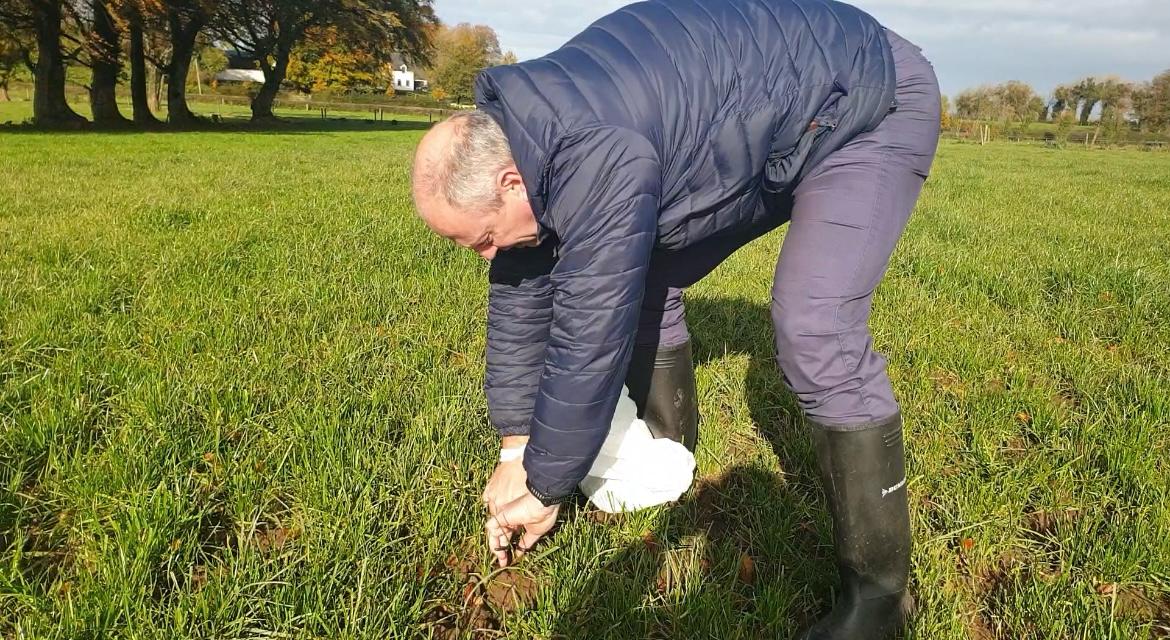
Take the guessing out of supplementing your stock with minerals – take some grass or silage samples and see what is lacking in your animals’ base diet.
Read more...

How to identify grass tetany

How to identify grass tetany, and signs to look out for. The veterinary diagnosis for grass tetany is plasma magnesium less than 0.8mmol/l indicates subclinical hypomagnesaemia and an increased risk of developing acute hypomagnesaemia. Remember prevention is key […]
Read more...

July -What’s in your grass?

Cattle – Grass TetanyPotassium, magnesium and sodium content of herbage Magnesium and sodium levels on average across the 10 samples is relatively low. The risk of grass staggers may increase with lower levels of magnesium in the herbage; however, it is not a reliable measure on its own. Sodium levels are also important when considering […]
Read more...

October- What’s in your grass?

Historic data results from our grass samples collected across Ireland in October are quite different from what we see in July. Average Nitrogen levels in the grass are somewhat higher in October (3.5%) compared to grass sampled in July (2.8%). We have also seen an increase in levels of calcium, phosphorus, potassium, copper, zinc, manganese, […]
Read more...

June – What’s in your grass?

Grass samples were collected across Ireland in mid-June 2020. During this period, we saw much more rainfall compared to the drought conditions in places during the month of May. We experienced average temperatures in the region of 12-15 °C. However, according to GrassCheck for the commencing 8th June, grass growth remained below average (see figure […]
Read more...

March- What’s in Your grass?

It is very important when managing stock to manage their minerals! Our historic grass samples for March give a good insight into what minerals are typically lacking at this time of year and what we need to supplement our grazing livestock for optimum health & performance. Mineral shortages [...]
Read more...