


Article
Managing Sheep Post-Lambing to Prevent Health Disorders
Managing sheep post-lambing is essential to protect ewe health and performance during this critical period. Good nutrition supports milk production and prevents health disorders.
At this time of transition, the nutrient demands of the ewe are high. This is because she needs to produce a good supply of milk to feed her newborn lambs.
Ewes generally reach peak milk production a month after lambing. However, lactation in general puts a strain on her energy and mineral metabolism. It is therefore a very important time to ensure she receives proper nutrition including minerals such as calcium and magnesium. Both minerals support her physiological functioning and lamb growth
Farmers should maintain the ewe’s body condition throughout lactation. Ewes can struggle to maintain themselves whilst looking after newborn lambs.
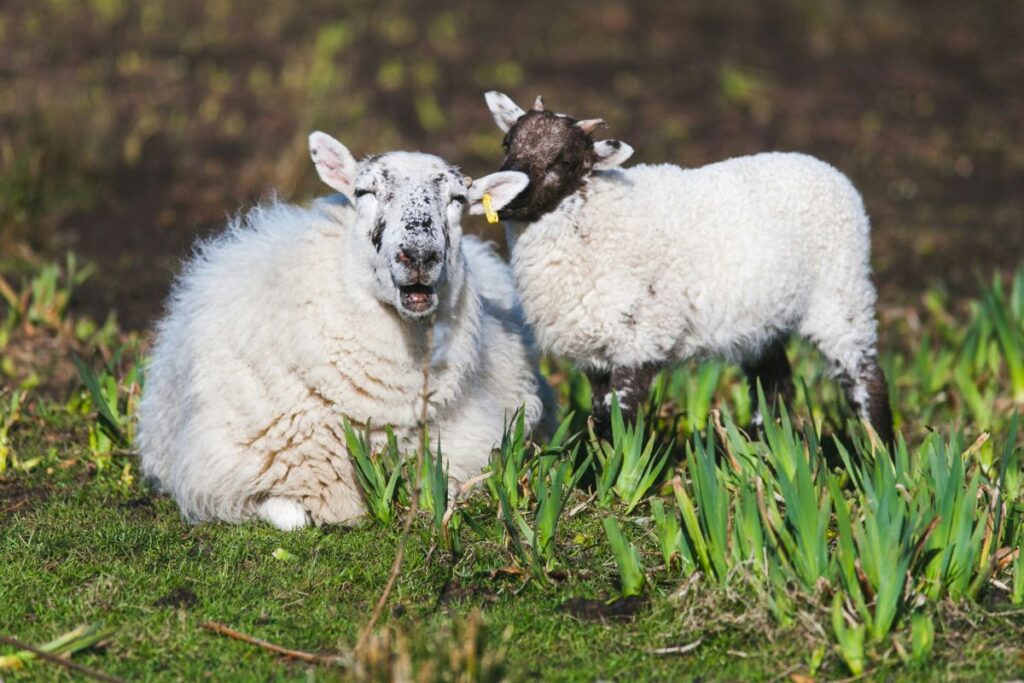
Throughout lactation aim for a body condition score (BCS) of 2.5. This keeps her on track to achieve 2.5-3 at breeding. It is easier to maintain condition rather than attempting to get her back in shape ahead of tupping. When condition is poor it can often result in fertility issues.
To maintain condition provide a good crop of quality grass for grazing in combination with a free choice feed bucket containing high levels of energy and protein with a full mineral and vitamin package.
This supplementary feeding supports ewe health and benefits growing lambs too.
If ewes aren’t in their best condition, they won’t produce optimum levels of milk to feed their lambs. This results in lower than expected lamb growth rates and a higher risk of morbidity and mortality.
Why Mineral Supplementation Matters When Managing Sheep Post-Lambing
There are several disorders that can result from mineral deficiencies. This is why supplementation is needed when ewes and lambs are at grass.
Grass Tetany
Spring is generally the most common time for lambs to be born, a season when grass is lush and low in magnesium. Grass tetany, a metabolic disorder, can occur when magnesium levels in the ewe’s blood are too low. This most commonly becomes an issue around six weeks after lambing. As ewes cannot store magnesium they rely on a daily intake.
The risk of tetany is heightened if a ewe is nutritionally stressed, if she has other health issues, or weather is unfavourable.
Ewes and lambs should have access to shelter and a magnesium bucket at all times during this high-risk period. Place the bucket beside water drinkers to encourage intakes.
Selenium Deficiency in Ewes and Lambs Post-Lambing
Selenium is an important trace element for rapidly growing lambs. It is not uncommon in Ireland for soils to be deficient in selenium and supplementation is generally a must.
White muscle disease, characterised by the onset of sudden stiffness and requiring veterinary treatment, is a sign that selenium is lacking in the lamb’s diet.
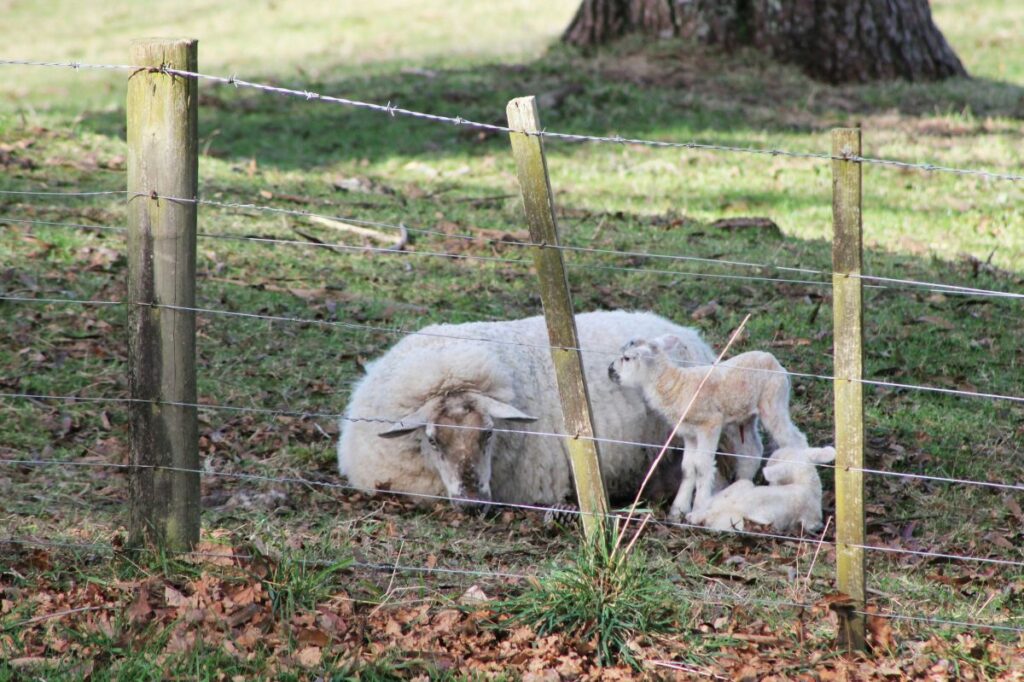
Cobalt Deficiency in Sheep Post-Lambing
Cobalt is not only important in its own right but is also essential for the production of vitamin B12 in the rumen.
Like magnesium, cobalt cannot be stored in the body so it is sensible to provide ewes and lambs with a daily supply.
If cobalt is lacking, the repercussions of that shortfall can be heightened for the growing lamb, resulting in reduced growth, ill thrift, dry scaly skin on the ears and face and poor wool health.
Copper Deficiency
Care must be taken when considering copper supplementation. Copper is generally not added to supplements specific to sheep as poisoning or toxicity can occur, with some breeds at greater risk than others.
Copper is an essential trace element for body, bone and wool growth, pigmentation, healthy nerve fibres, and white blood cell function therefore sheep do need a certain amount to be present in forages and other feeds.
What needs to be considered however is that copper can have an antagonistic effect on other elements, such as molybdenum, sulphur and iron, which can block copper uptake and availability.
Copper Deficiency and Swayback in Newborn Lambs
If ewes are deficient in copper during pregnancy, the deficiency may present itself as swayback in the newborn lambs.