Pre lambing and Pre calving mineral care

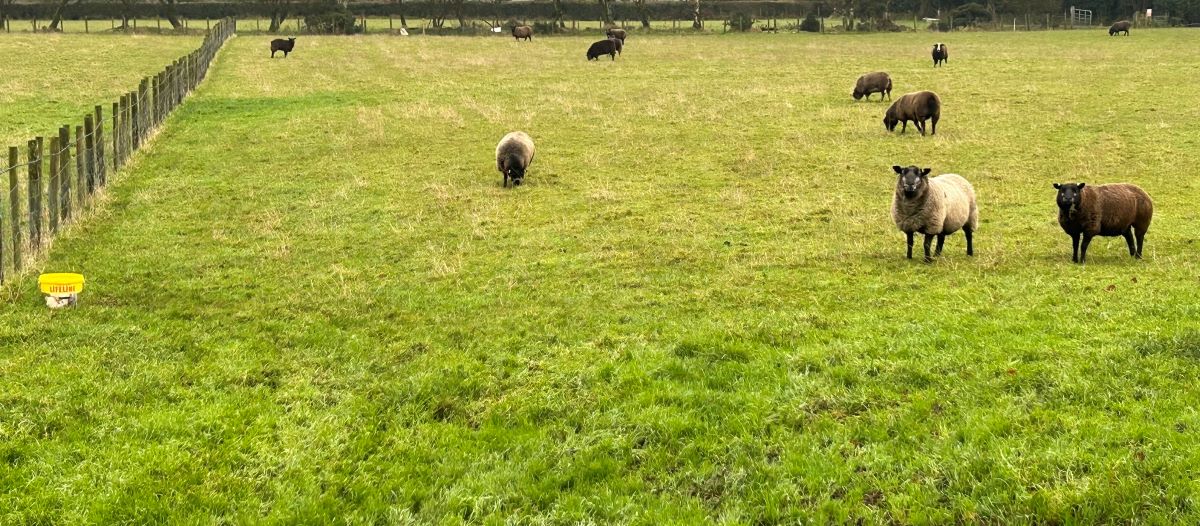
Supplementing the ewe in late pregnancy aids lambing success

Providing the correct nutrition and mineral supplementation to a pregnant ewe in the eight weeks before lambing will influence her colostrum production and metabolic health as well as the birthweight, vigour, and survival of her lamb. It all starts with getting the ewe in the correct body condition score (BCS) at lambing for her breed […]
Read more...

Less Phosphorus is more during the dry period for cow and calf health

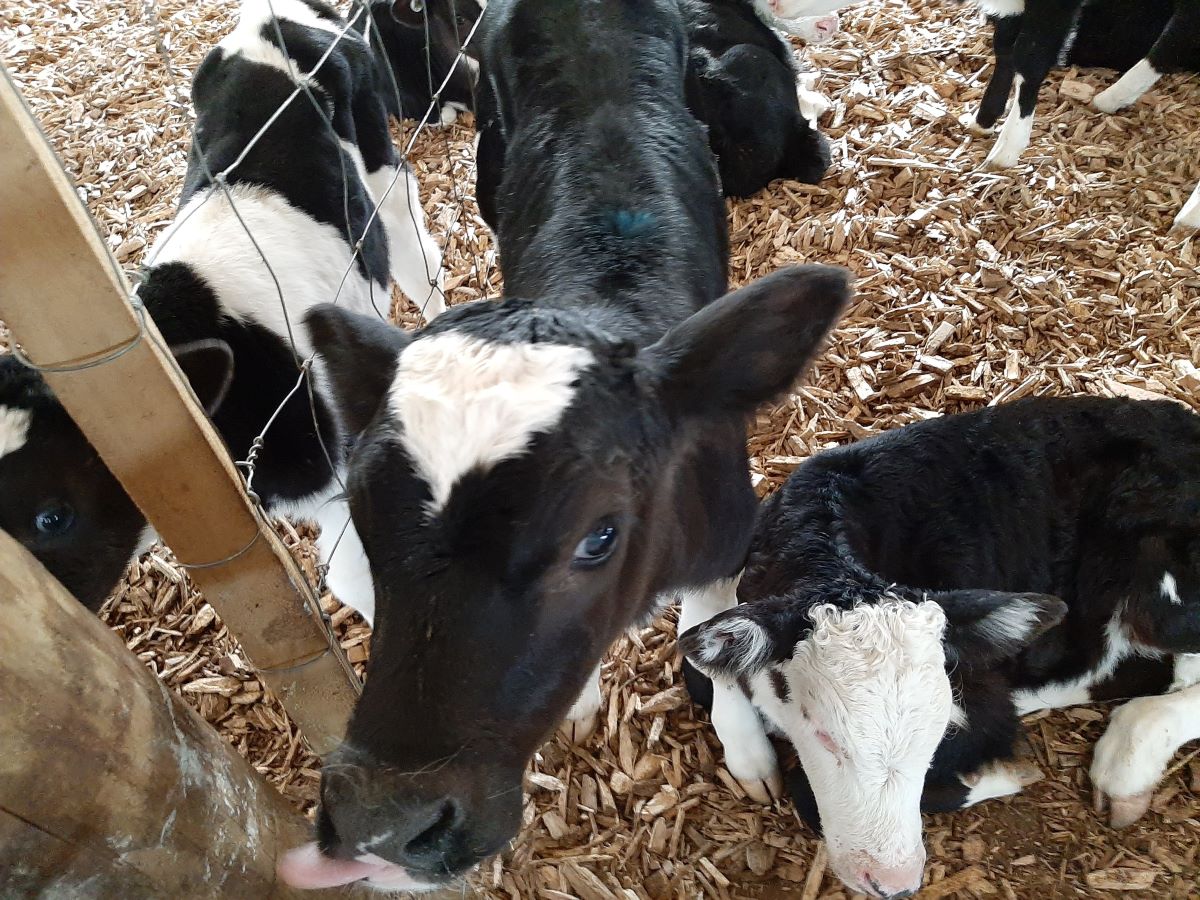
Feeding the dry cow is an art, it is complex because feeding influences many factors including colostrum formation, calving, the unborn calf, and metabolic diseases that are common in post-calving cows and during early lactation. Phosphorus is often oversupplied during this period. The current dry cow recommendations for phosphorus range between 0.20 to 0.25%DM depending […]
Read more...

Looking after the cow prior to calving is a must for both the cow and the calf

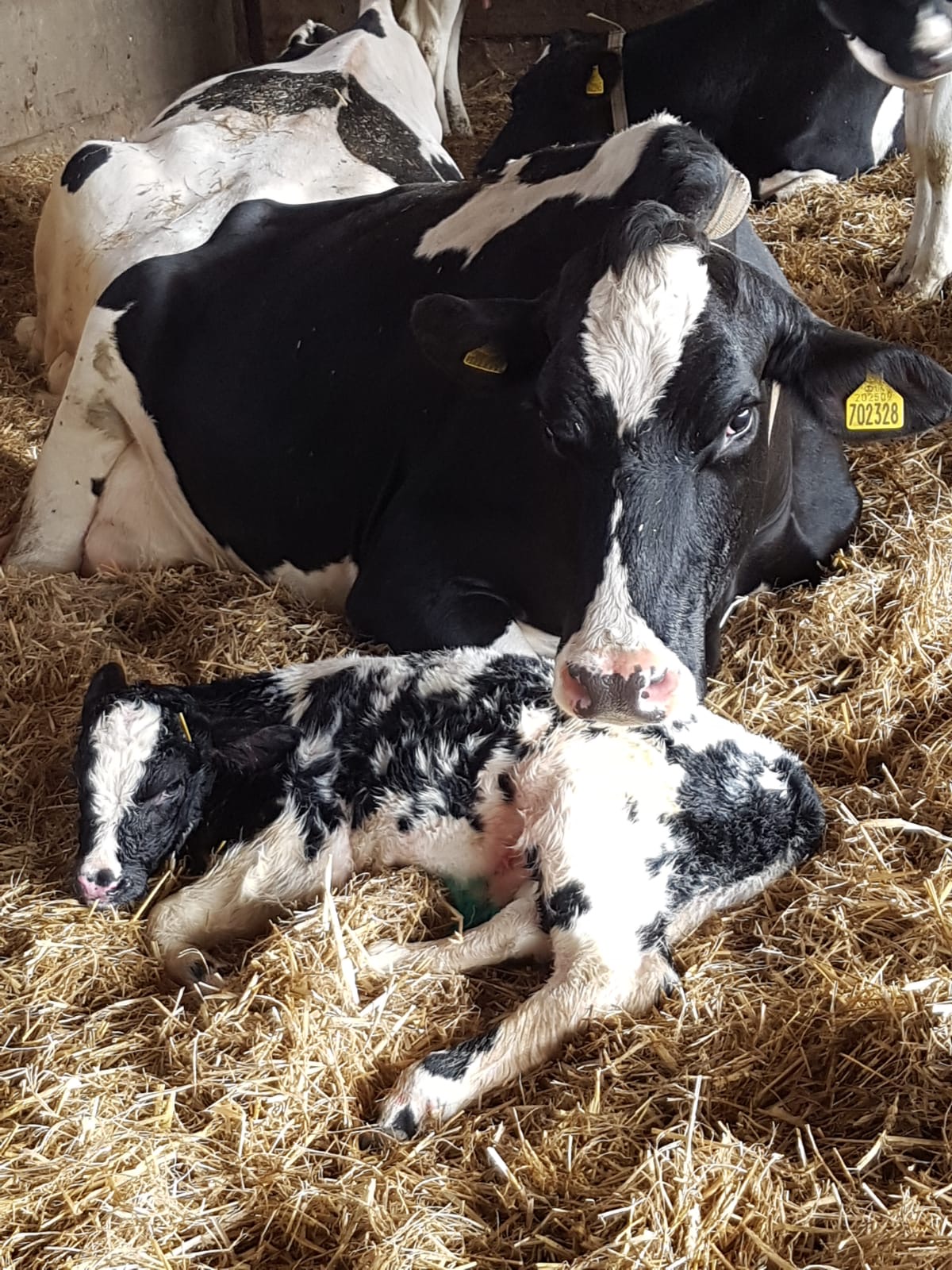
Providing the cow with the correct mineral supplementation on the approach to calving is vital to achieving good results post calving in terms of cow and calf health. It is critical to tailor the dry cow’s diet to their specific needs for this vital timepoint. Although, the changes in the suckler cow cycle are less […]
Read more...

Suckler Cow Fertility Drives Profitability

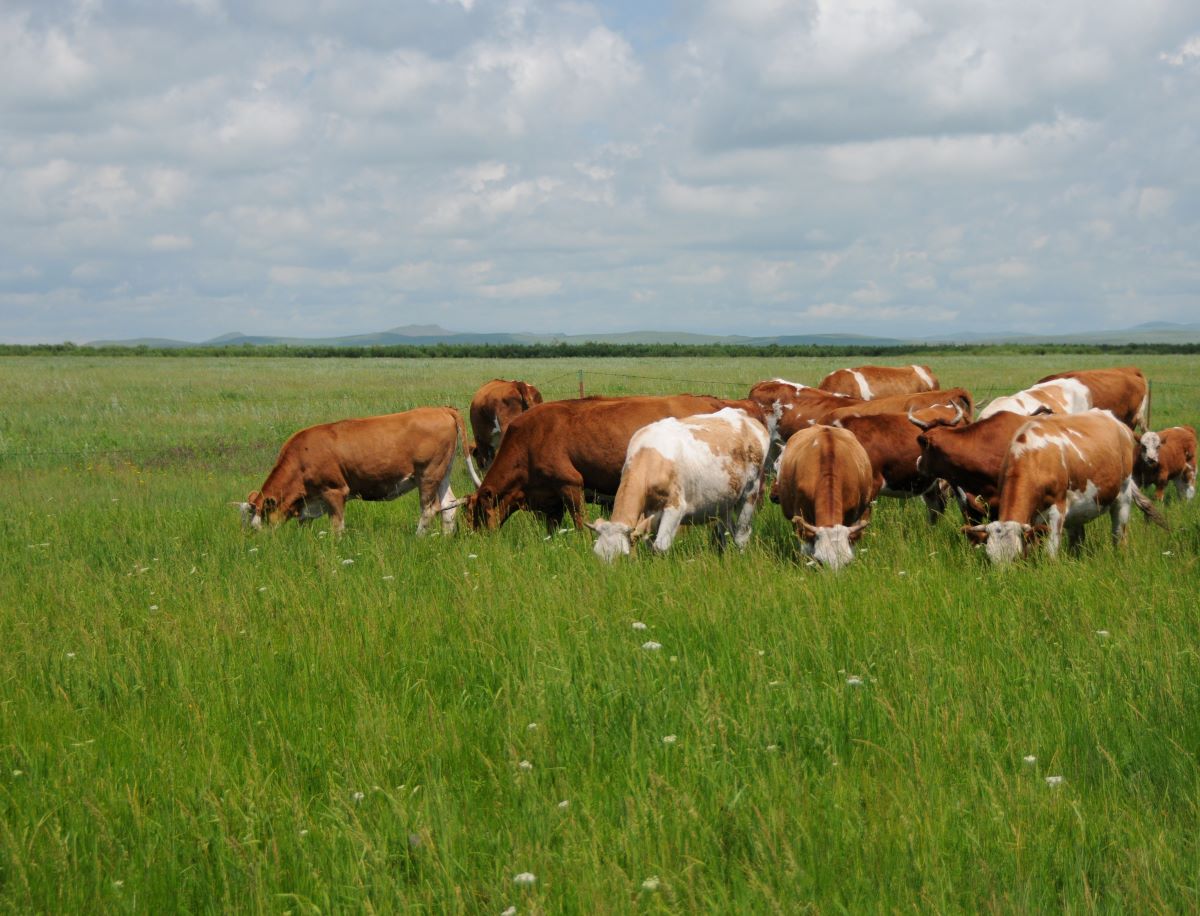
Having a clearly defined 12-week calving period, with the objective of targeting a 365-day calving interval and limiting calf mortality to less than 3% from birth to weaning should form the cornerstones in optimising farm output and the overall profitability of your suckler herd. The average gestation length for a suckler cow is 285 days […]
Read more...

Mineral supplementation on the approach to calving

The final six weeks of pregnancy is the most critical phase in both the dairy and suckler cow production cycle. Nutritional management during this period has a major influence on the health and performance of both the cow and unborn calf, including post-calving fertility, which is fundamental to overall herd profitability [...]
Read more...

What is selenium?

Selenium is an essential trace element, meaning it is required by animals in very small amounts (mg/d) for the maintenance of normal bodily functions. Selenium acts in the body as a component of selenium-containing enzymes, or selenoproteins. Three groups of these selenoproteins are particularly important for stock health and performance [...]
Read more...

February -What’s in your grass?

The historic data for this sample was taken in 2020 which was an exceptionally stormy and wet month with prolonged periods of heavy rainfall which resulted in extensive flooding across the country. It was recorded that certain places had 1.5 to 3.3 times the normal monthly rainfall for February. However this is part of an […]
Read more...