Trace Elements

Managing stress in calves and weanlings alongside correct nutrition pays more than ever

Managing stress and nutrition in calves and weanlings is critical to reducing gut inflammation, improving immunity, and lowering the risk of pneumonia.
Read more...

Unravelling the complexity of mineral and vitamin deficiency in livestock

Mineral and vitamin deficiency is a complex issue in livestock because clinical symptoms are often not obvious. Trace elements are only required in small volumes in the diet of cattle and sheep. When they are absent, it can result in underlying and hidden sub-clinical problems. As a consequence, stock underperform and are far more vulnerable […]
Read more...

Maximising colostrum potential in beef-suckler herds

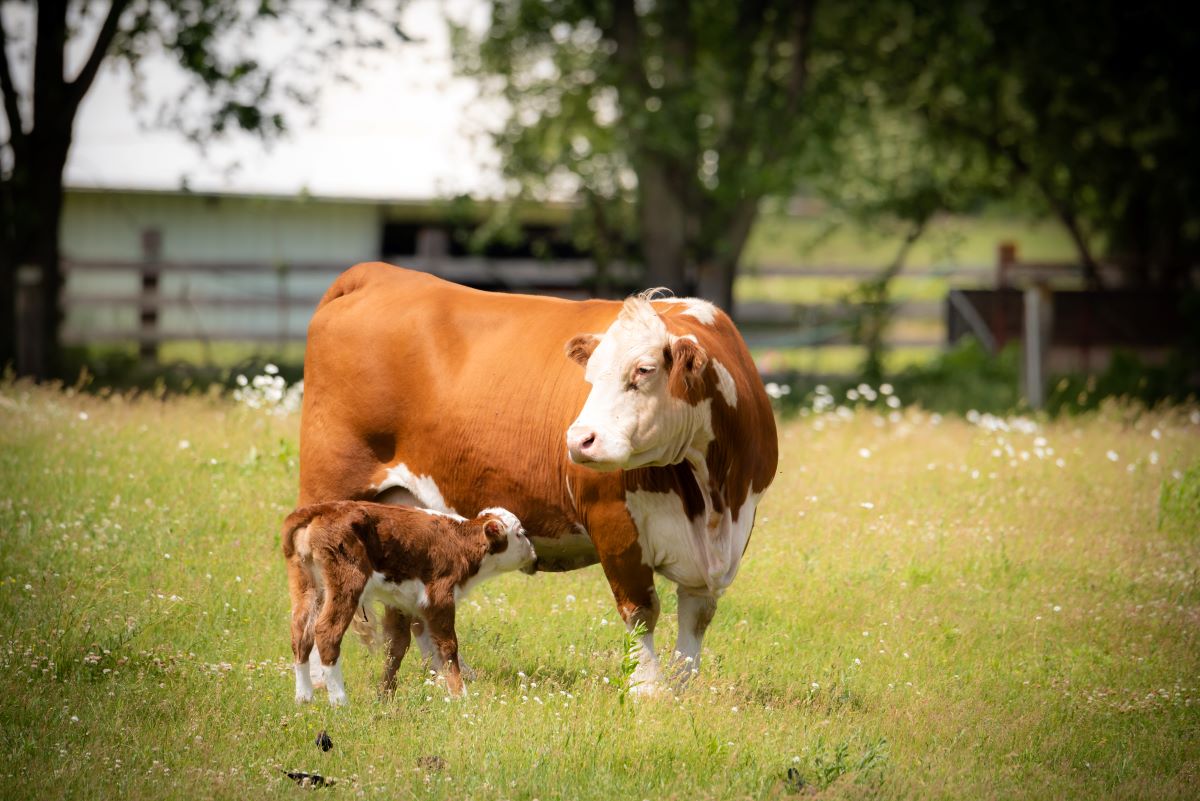
A newborn calf is vulnerable to infection in the first few months of life, relying on its mother’s antibody-rich colostrum to protect it from disease. Colostrum, otherwise known as ‘beestings,’ is the first milk a beef-suckler cow produces once she has calved. Colostrogenesis, the process which sees the cow’s mammary cells proliferating and differentiating ahead […]
Read more...

Managing the suckler cow and calf post-calving

Suckler cow management post-calving is just as important as pre-calving care. A fresh calver needs the right nutrition to stay healthy, produce milk, and to resume her cycle to conceive again. Key considerations after calving Body condition score (BCS) in suckler cow management Monitor BCS to ensure the cow doesn’t lose too much condition soon […]
Read more...

Why bioavailability of trace elements is important in ruminants

A new third-generation source of trace elements can offer livestock significant health and production benefits. Trace elements are only needed in very small quantities by food-producing animals but have an important role to play in maintaining antioxidant status, immune response, growth, and reproduction. While the required intakes for supporting ruminant productivity and overall health may […]
Read more...

Beef Cattle Mineral Requirements

Mineral deficiencies can present themselves in various ways, some more noticeable than others. Panic usually sets in when we see major problems such as fertility issues or even worse mortalities. Minerals have an important role to play in the overall health of cattle and proper prevention with the correct supplementation at the right time can help avoid these pitfalls.
Read more...

Tupping-advice on minerals & vitamins

Although required in much smaller amounts than energy and protein, minerals and vitamins have a huge effect on animal performance. Ensuring that both ewe and tup requirements for these essential nutrients are met is vital to optimise tupping success and ultimately lamb output. In some situations, access to high-quality grazing might be sufficient to meet […]
Read more...

Irish Grass Mineral Analysis – June Report

June was mainly cool and dry, with average temperatures of 13°C. Large volumes of rainfall in the earlier spring months may have negatively impacted soil health, which can compromise grass quality in terms of its nutrients. Our results reflected this; grass was very low/deficient [...]
Read more...

The importance of trace elements for calves at grass

Mineral and vitamin deficiencies, or indeed too much of a good thing can alter various components of the immune system. The later effects of mineral deficiencies usually show in the form of ill thrift because of a weakened immune system. If these animals are challenged by disease or artificially via vaccination they will have a poorer response [...]
Read more...

Suckler Cow Fertility Drives Profitability

Having a clearly defined 12-week calving period, with the objective of targeting a 365-day calving interval and limiting calf mortality to less than 3% from birth to weaning should form the cornerstones in optimising farm output and the overall profitability of your suckler herd. The average gestation length for a suckler cow is 285 days […]
Read more...