


Article
Cobalt plays a vital role in generating vitamin B12 in the rumen of growing calves at grass
Cobalt deficiency in calves is a critical nutritional issue that affects vitamin B12 production (also known as cobalamin) in the rumen of growing calves at grass.
Vitamin B12 is unique because it can be synthesised by the microorganisms, bacteria, and yeasts active in the calf’s rumen. However, this process only occurs if the diet contains be adequate levels of cobalt.
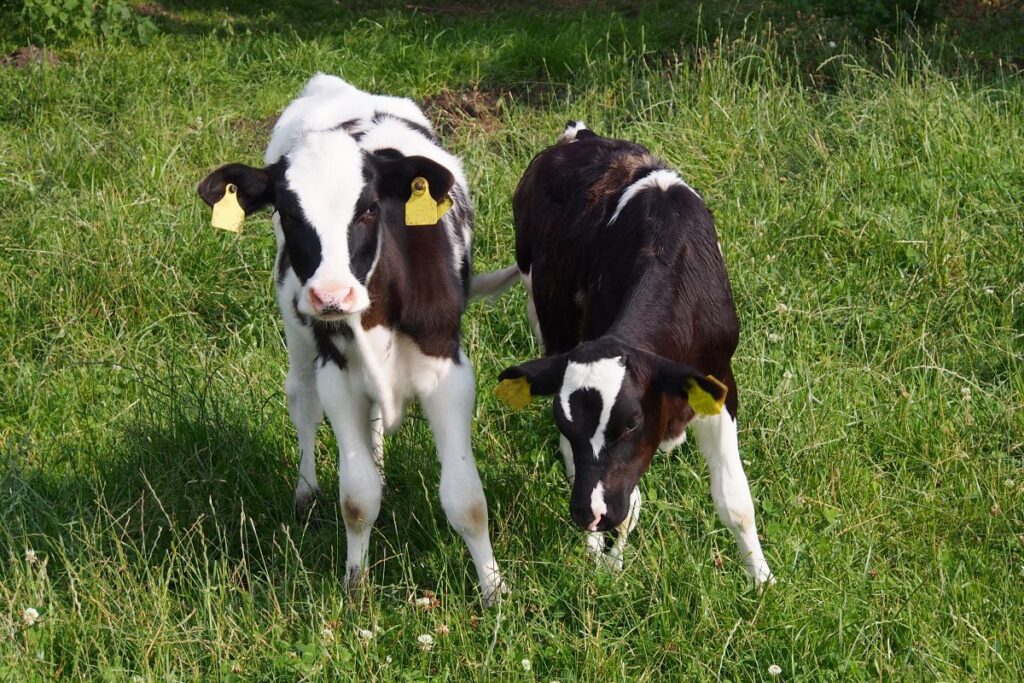
Calves need vitamin B12 for metabolic functions that include metabolising fat and carbohydrate and protein synthesis. It is also needed for producing glucose, to meet the high energy demands of early growth.
Pre-weaning, when the calf is transitioning from being essentially a monogastric to a ruminant, it requires a dietary source of vitamin B12.
This is because its rumen has not fully developed and is therefore not capable of synthesising vitamin B12 (Stemme et al., 2006).
Calves typically get this dietary source of Vitamin B12 in colostrum, transition milk, milk or milk replacer.
Symptoms of Vitamin B12 deficiency
· Poor thrive/weight loss
· Reduced appetite
· Rough coat
· Scaly ears
· Weepy eyes – discharge
· Nerve damage
· Decreased feed efficiency
· More likely to carry a higher worm burden
· Can lead to reduced fertility
Diagnosis
Analysis of liver tissue can detect if calves are deficient in vitamin B12.
If there is a history of vitamin B12 deficiency on the farm, or if animals are experiencing any of the classic symptoms, it is advisable to carry out tests on high-risk groups, such as young calves.
A lessened resistance to parasites and other common microbial infections may also be indicative of cobalt deficiency in calves (MacPherson et al., 1989).
Prevention
When the diet lacks cobalt, the production of vitamin B12 can reduce within a few days and the animal will struggle to grow and achieve its full potential.
Monitoring the mineral status of soil and pasture is a good start in establishing what calves are consuming and what factors are likely to affect mineral levels in their feed.
This will inform what needs supplementing, and when.
Soil type, weather conditions, grass species, pH, drainage and manure application all influence what minerals are available to grazing calves. In Irish pastures, cobalt in particular is generally quite low.
Prevention is always better than cure.
Providing grazing calves with free access to feed blocks that contain sufficient levels of cobalt to meet their growing needs is recommended.
Best practice and take-home messages
• Determine cobalt levels in soil and pasture
• Pinpoint whether cobalt deficiency is the reason why calves are not doing well while also considering other causes of ill-thrift
• Proper rumen development is key to success at grazing
• Consider including legumes in the sward as these contain a greater level of minerals, including cobalt
• Control and prevent cobalt deficiency by providing calves with mineral licks
• If cobalt deficiency is suspected, request blood/liver analysis through a veterinarian
Seek veterinary advice on treating severely affected animals with B12 injections
Leave a Reply