


Article
Copper in Sheep: Getting the Balance Right
A practical guide for farmers
Why Copper Matters
Copper is essential for growth, fertility, immune function, and wool quality. Sheep need only small amounts, and the gap between enough and too much is very narrow.
The Risk of Copper Toxicity
Sheep store excess copper in the liver. Over time it can build up without signs. A sudden release can cause acute poisoning, which is extremely difficult to treat. Absorption increases in sensitive breeds, young animals, diets low in antagonists (iron, sulphur, molybdenum), and when soil or forage conditions change.
High-Risk Copper Sources
Feed & Forage:
– Pasture, silage, or root crops grown on land treated with pig or poultry manure
– Distillery by-products (e.g., distiller’s dark grains)
– Concentrates containing palm oil
– Molassed sugar beet pulp
(Whole grain cereals are typically low in copper.)
Other Sources:
– Cattle mineral buckets or licks
– Copper sulphate foot baths
– Fungicide-treated timber
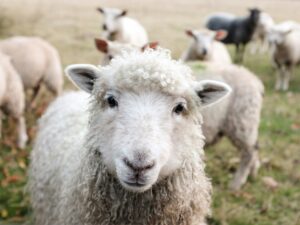
Sheep Most at Risk
– North Ronaldsay sheep
– Intensively housed sheep
– Young animals
– Copper-sensitive breeds
Housed sheep should not receive copper supplementation unless a deficiency is confirmed by a vet.
Practical Prevention Tips
– Know your breed’s copper sensitivity
– Test forage and feed when unsure
– Keep cattle minerals away from sheep
– Review rations for hidden copper sources
– Be cautious with manure-treated land
– Monitor liver copper levels when advised by your vet
Key Message
Copper is essential — but only in the right amount. Managing copper in sheep is about balance. Understanding your feed, your breed, and your farm conditions helps prevent both deficiency and toxicity.
Leave a Reply