


Article
Less Phosphorus is more during the dry period for cow and calf health
Feeding the dry cow is an art, it is complex because feeding influences many factors including colostrum formation, calving, the unborn calf, and metabolic diseases that are common in post-calving cows and during early lactation.
Phosphorus is often oversupplied during this period. The current dry cow recommendations for phosphorus range between 0.20 to 0.25%DM depending on the country (National Academies of Sciences and Medicine, 2021).
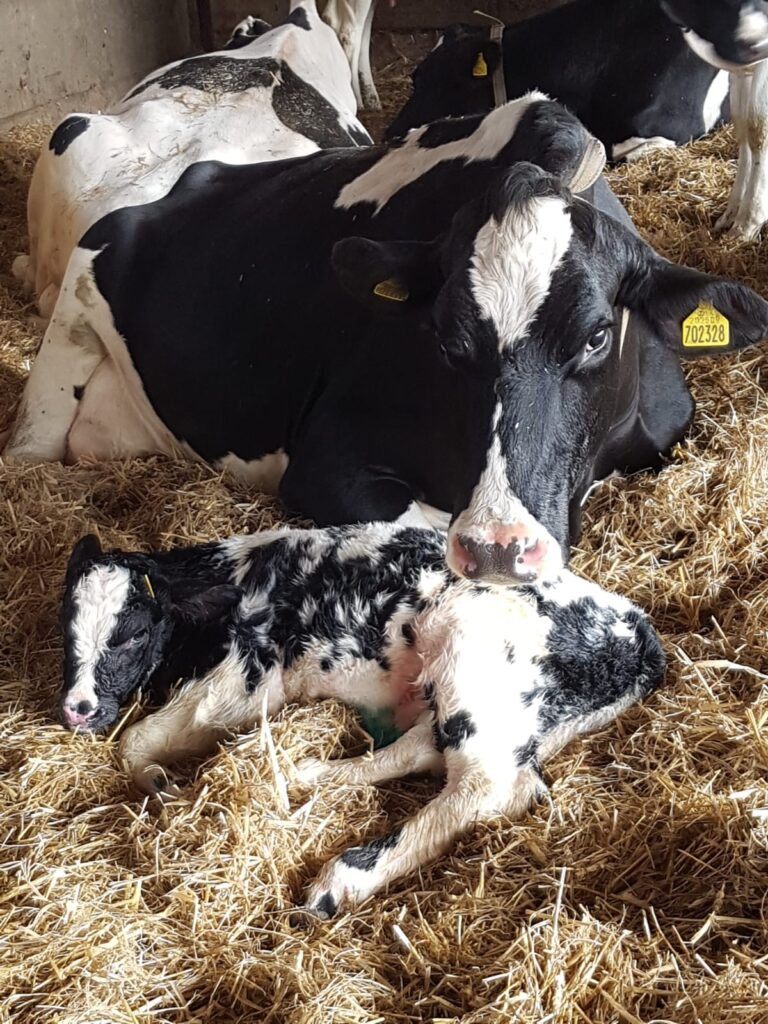
Recently published (Wachter et al., 2021) research has found restricting phosphorus levels (0.16%DM) in the last 4 weeks of the dry period had a positive effect on the calcium homeostasis of freshly calved dairy cows without any negative effect on dry matter intakes, milk production, or metabolic issues in the subsequent lactation.
Restricting phosphorus during this time stimulates bone mobilisation which leads to an important and metabolically relevant release of calcium and phosphorus from bone during the last few days of gestation. As a result, cows are less likely to be at risk of both clinical and subclinical milk fever post-calving (Cohrs et al., 2018).
High phosphorus intakes limit the cow’s resorption of calcium; therefore, the current evidence suggests avoiding feeding phosphorus in excess, especially in the final weeks leading up to calving where possible.
Interestingly, not only does feeding too much phosphorus in the dry period affect cow health, but current research (Sohrabi et al., 2024) has highlighted the proportion of calves with failure passive transfer (FPT) of immunity to be significantly greater in calves born from hypo calcaemic cows, especially those with low calcium status for the first 4 days post birth and beyond. These calves also had a higher incidence of diarrhoea during the first ten days, likely as a result of poorer IgG absorption or perhaps a change in intestinal structure making the calf more vulnerable to diarrhoea.
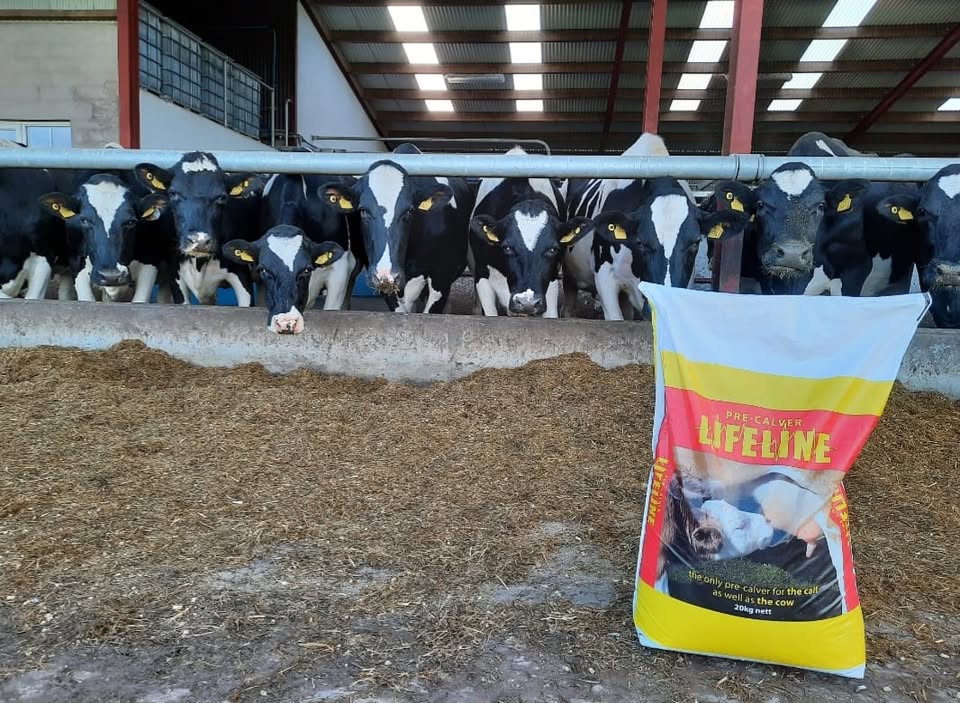
How we treat the dry cow has a knock-on effect on the unborn calf. Lifeline pre-calver mineral is an ideal supplement for cows in the last six to eight weeks prior to calving. It is designed with both the calf and the cow in mind. It contains immune-boosting ingredients to stimulate her immune system and is patented to boost colostrum quality by 25% to give the calf the best start.
Sometimes it is difficult to keep phosphorus levels low in the dry cow ration, due to the levels found in concentrates, grass silage and other feed sources. Straw has a much lower level of phosphorus compared to grass silage and could be an option to incorporate into the dry cow ration.
Ideally, to get the right balance and ensure cows are not being oversupplied with phosphorus feed analysis should be carried out and ration adjusted accordingly.
In addition to providing the correct mineral and trace element nutrition during this important time the dry cow diet must meet basic requirements as follows:
· Palatable to encourage dry matter intakes
· Correct energy and protein for body condition and maintenance
· Fed a good quality dry cow mineral with the optimum levels
· Adequate feed space
· Clean water
As the research suggests, lower phosphorus is better for cow metabolic health, early lactation performance, and the calf’s immune status, and is also better for the phosphorus balance on your farm and environment.
[…] Read our article on how reducing phosphorus in the transition cow positively effects calcium status. […]