


Article
Unravelling the complexity of mineral and vitamin deficiency in livestock
Mineral and vitamin deficiency is a complex issue in livestock because clinical symptoms are often not obvious. Trace elements are only required in small volumes in the diet of cattle and sheep. When they are absent, it can result in underlying and hidden sub-clinical problems.
As a consequence, stock underperform and are far more vulnerable to disease.
A cow with sub-clinical milk fever, for example, is much more likely to contract mastitis, uterine infections, endometritis or a retained placenta. This is because a trace element deficiency weakens her immune system.
Ruminants need trace elements for normal health and general functioning. Shortfalls can result in multiple issues commonly seen on farm.
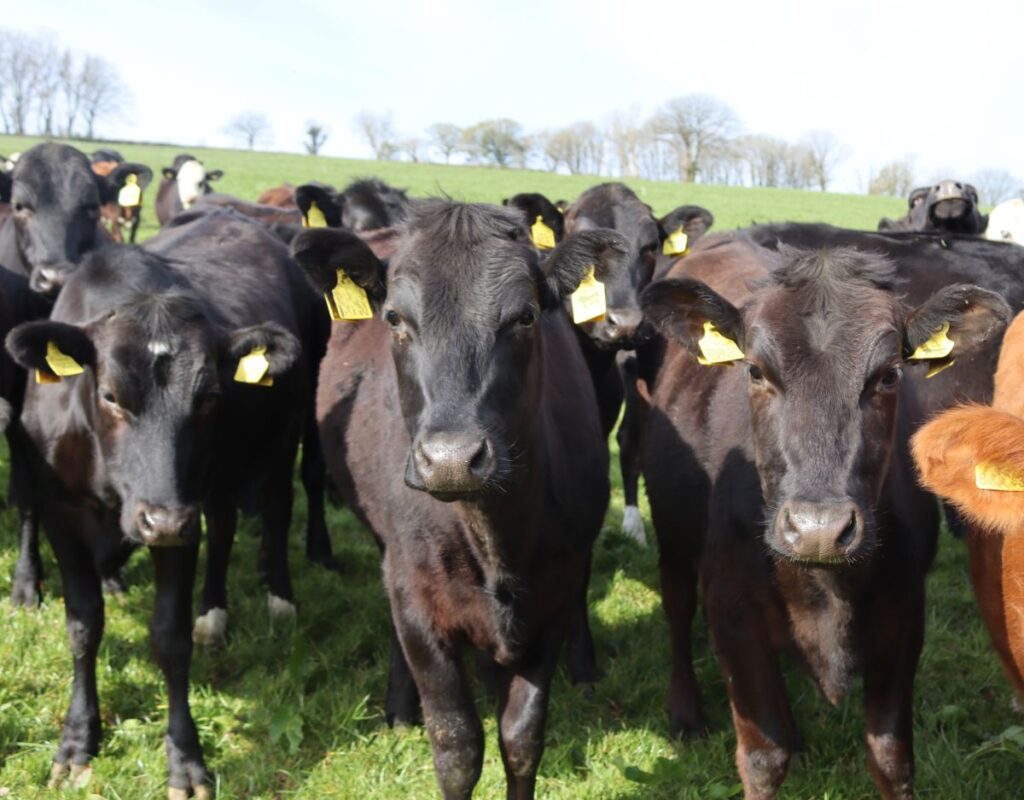
Clinical symptoms in cattle and their associated mineral and vitamin deficiencies (Adapted from MSD Veterinary Manual)
Clinical Presentation: Possible mineral or vitamin involved
Abortion: selenium, copper, zinc, vitamin A, or vitamin E
Anaemia: Copper/cobalt deficiency in adult cattle. Iron deficiency in young calves (unlikely in adult cattle)
Blindness and night blindness: Vitamin A
Congenital defects: Vitamin A, manganese, or copper
Convulsions: Vitamin A – particularly if they occur intermittently interspersed with periods of normal activity in growing calves
Grass Tetany/staggers: Magnesium – risk increases with consumption of lush pasture grasses, especially with high potassium concentrations
Inappetence (off feed): Many nutritional deficiencies (protein, mineral, and vitamin) eventually result in reduced feed intake
Incoordination (ataxia): Blind staggers associated with sulphur intoxication (formerly considered chronic selenium toxicosis); demyelination associated with copper deficiency; subclinical milk fever
Infertility: Energy is the most clearly associated nutrient; insufficiencies of carotene or manganese may affect ovarian function
Milk fever: Failure of calcium homeostasis rather than dietary calcium deficiency; control by feeding low-calcium diets diets prepartum
Pica and dirt-eating: Sodium, potentially phosphorus and low-fiber diets implicated
Retained placenta: Selenium, vitamin E, vitamin A, calcium
Rickets and osteomalacia: Calcium, phosphorus, or vitamin D
Skin problems: dull, brittle coats, thin
Skin, poor healing: Vitamin A, copper and zinc
Sudden death: Vitamins A or E, selenium, magnesium, or copper; vitamin E and selenium deficiencies may be associated with cardiac nutritional myodegeneration
Suppressed immunity: Vitamin A, vitamin E, zinc, copper, and selenium
Wasting and failure to thrive: Cobalt
White muscle disease: Selenium or vitamin E
Irish grasslands are relatively low in copper, iodine, and zinc, deficiencies linked with increased susceptibility to disease and to reproductive issues such as abortion and a retained placenta (Balamurugan et al., 2017; Kumar, 2014; Suttle, 2010; Velladurai et al., 2016). To reduce the risk of these costly events in grazing animals, mineral supplementation is therefore a necessity.
Interaction with antagonists
The interaction between minerals and antagonists is complex.
For example, if there are elevated levels of molybdenum, iron or sulphur, these can bind to copper making it unavailable to the animal. It is therefore important to consider how much copper there is in the diet, while also factoring in the level of antagonist that will affect what copper is available to the animal.
Application of fertilisers high in sulphur can affect the copper status of grazing cattle therefore careful selection of fertiliser is critical in areas where livestock at grass may be prone to copper deficiency.
Grazing animals can consume high levels of iron when they eat grass contaminated with soil.
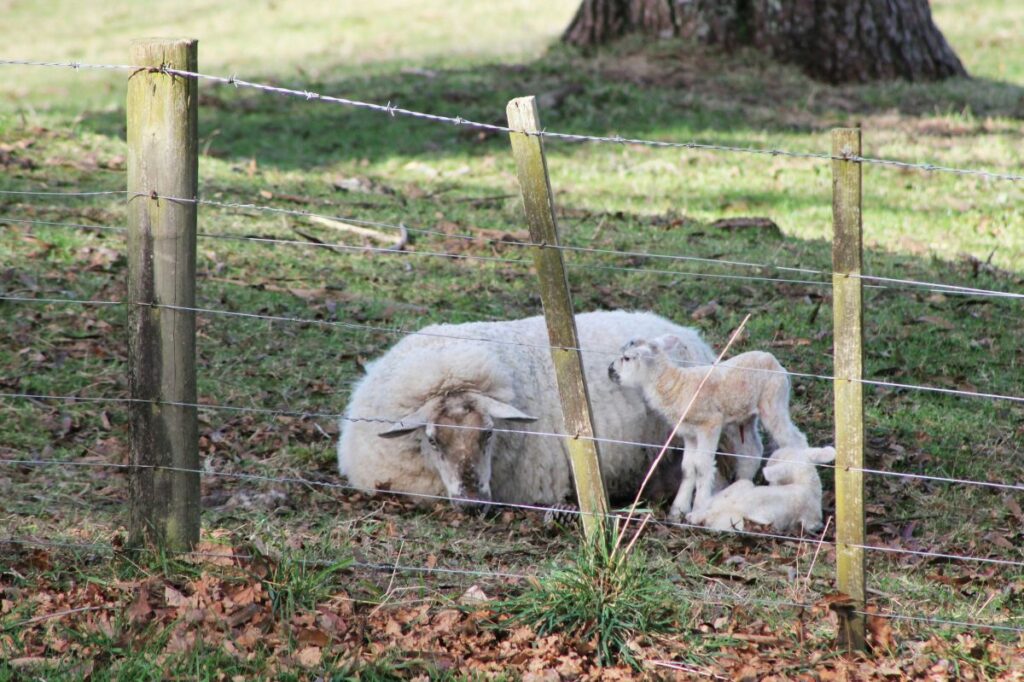
Historic research by Suttle (1975) estimates that soil ingestion can be higher than 10% of the dry matter (DM) intake of cattle and sheep during winter grazing. At this level, the animal’s ability to absorb copper is greatly reduced (Suttle, 1975).
Testing for common mineral and vitamin deficiencies in livestock
Calcium and magnesium
Blood serum is the best option for determining circulating levels.
Copper
Copper resides in the animal’s liver and levels in the blood are maintained by homeostasis. While blood sampling will provide an indication of deficiency, a liver biopsy on live animals will identify sub-optimal levels. Knowing how much an animal has stored in its reserves will inform preventative measures and indicate whether toxicity is likely.
Cobalt/Vitamin B12
Cobalt is also stored in the liver. As blood sampling will not give accurate results a liver biopsy is recommended.
Selenium
Selenium can be measured either through the blood (whole or serum) (current) or via liver (long term) samples.
Iodine
Iodine is tricky to measure as blood sampling may not give an accurate value. Trained veterinarians may need to look at test results in conjunction with the animal’s response to any supplementation being used, or through the observation of clinical issues such as goitre, bodyweight ratio, and weak calves.
Sodium
Serum and urine testing can be used to establish sodium levels, but disease can also result in lower serum or urinary sodium due to electrolyte shifts, even when dietary concentrations are adequate. Dietary sodium concentrations are therefore a better guide to diagnosing a deficiency.
Potassium and phosphorus
Serum sampling can be used for testing potassium and phosphorus levels but dietary concentrations are a better guide to diagnosing a deficiency or toxicity.
Best practice
It is best practice not to submit cull animals for testing as there will be reasons why these animals are exiting the herd or flock and are therefore unlikely to present a true reflection of the status of younger, possibly healthy animals.
Testing multiple animals is strongly recommended as this better reflects mineral status. Individual animals may be experiencing disease, stress or fever, which can cause a shift in certain minerals from body tissue to blood, or vice versa. An example of this is a calf with diarrhoea losing sodium, potassium and calcium.
To get a true picture, a deficiency or toxicity should only be confirmed after the animal’s health, feeding and supplementation history is scrutinised in detail, and the mineral status of a number of animals is analysed.
If animals receive the recommended levels of minerals in their diet but are found to be deficient post-testing, the possibility of antagonistic interactive effects of other minerals must be considered.
Leave a Reply