


Article
PICA in Cattle
Pica is a condition whereby cows at grass exhibit unusual behaviours, eating and licking items of no nutritional value such as stones, soil, plastic objects and cow track surfaces. Whilst these cows may initially appear healthy, the unusual behaviours can have detrimental consequences on the animal, with the potential to cause gut damage/blockage and can lead to death if the behaviour is prolonged or if sick cows are left untreated.
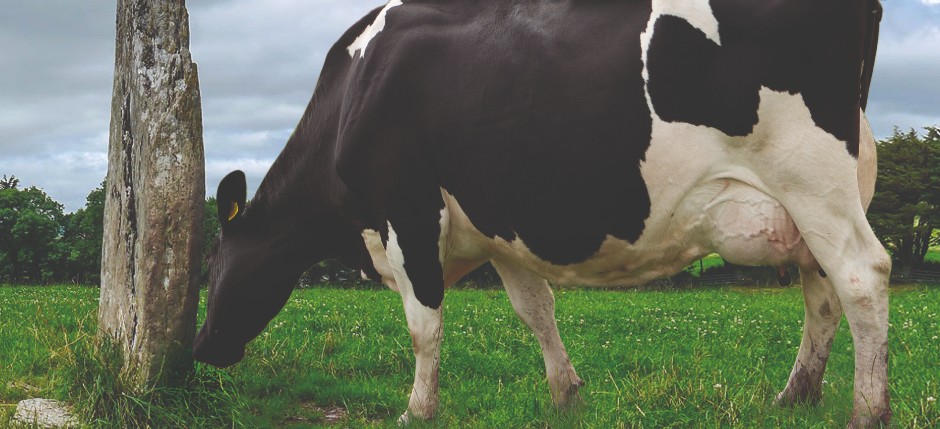
It is difficult to determine the exact cause of PICA due to there being little definitive research however, the three most common nutritional causes of PICA include; phosphorous and sodium deficiency or a shortage of long fibre in the diet.
Other possible causes are energy or protein imbalances, intestinal parasites or other mineral deficiencies. The surge in PICA at turnout may be caused by nutrients being leached from soils and therefore lower mineral supply to grazing crops.
Phosphorous deficiency
Phosphorous deficiency can be common in dairy cows grazing pastures, studies have shown that during peak grass growing months phosphorous concentrations in grazing grass can be low compared to the requirements of the milking cow. A phosphorous deficiency can be diagnosed by a relatively cheap blood test taken from animals displaying clinical signs of PICA.
Sodium deficiency
The use of fertilisers high in potassium (slurry) on grazing ground can potentially lock up the available sodium in soil and consequentially the levels of sodium in grazing grass. In addition, pastures are commonly low in sodium during the early summer months so unsupplemented animals may be at risk of deficiency. A forage mineral analysis of the grazing grass can give an indication of the sodium levels, alternatively, a blood test may diagnose low sodium levels in milking cows.
Diets with low-fibre
Rapidly growing spring and early summer grass may contain low levels of fibre compared to older more ‘stemmy’ grass. Fibre is a key driver for rumen health and function and when the total fibre in the diet is low, cows are at risk of acidosis leading to very loose manure and a drop in butterfat levels in the milk. If butterfat levels are at acceptable levels for the time of year, it could imply that PICA symptoms are more likely to be caused by a mineral deficiency.
Leave a Reply